debugging the earth
debugging the earth
February 5– March 22, 2026
![]()
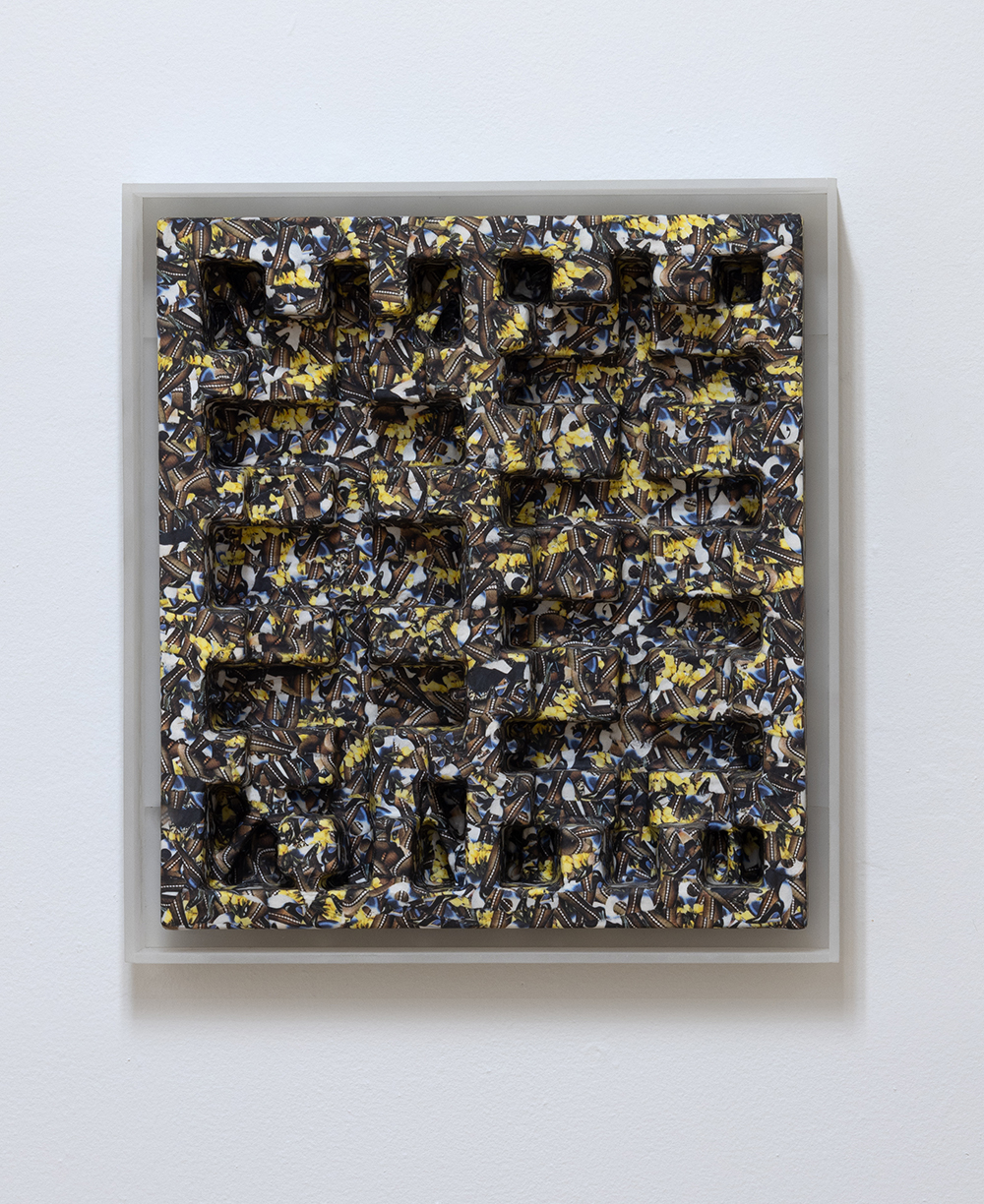
Serena Chang, Mother Liquor, 2020, Wood,
pigment, paper, pva adhesive, clear coat, 23 x 30 x 4.5 inches
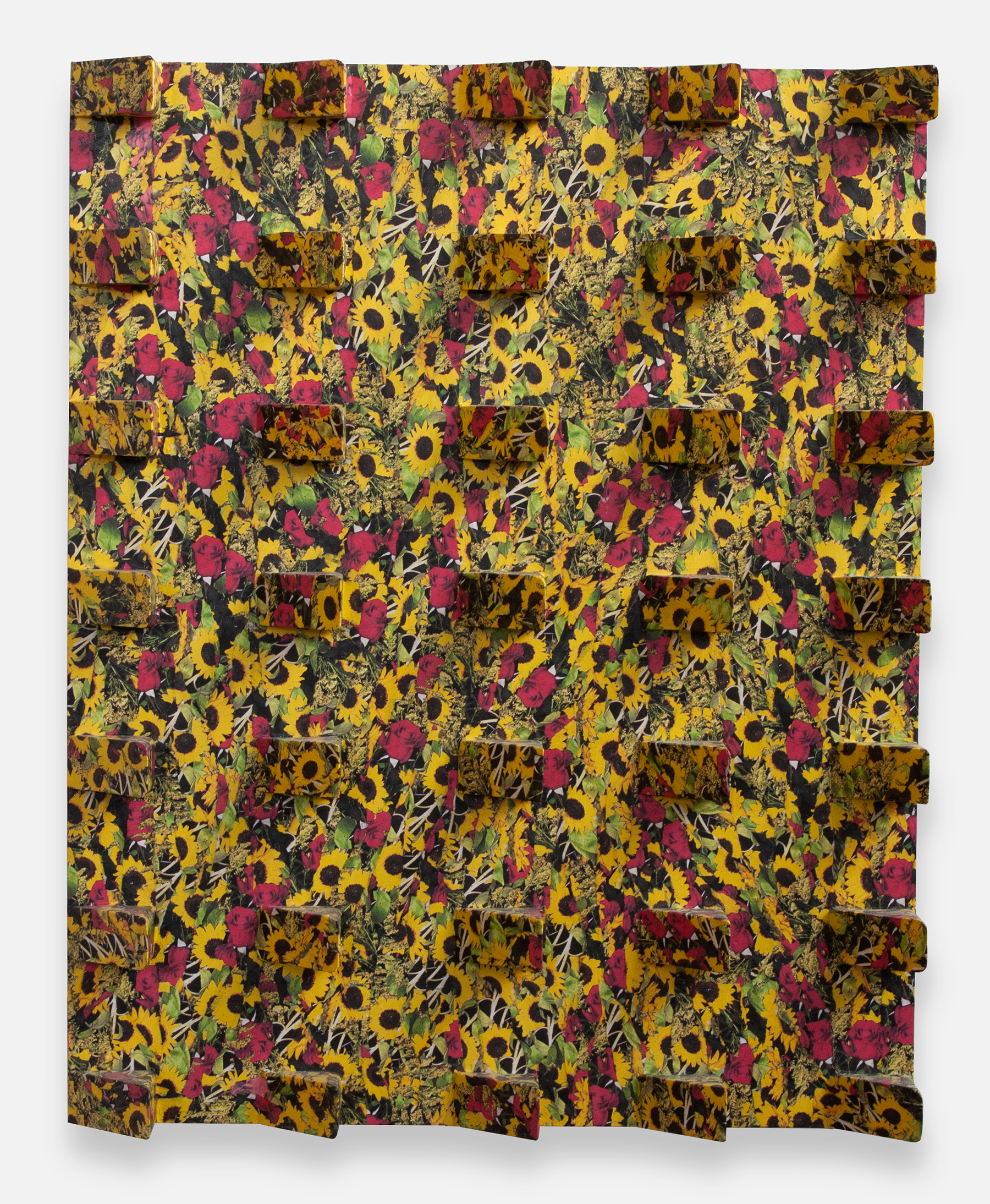
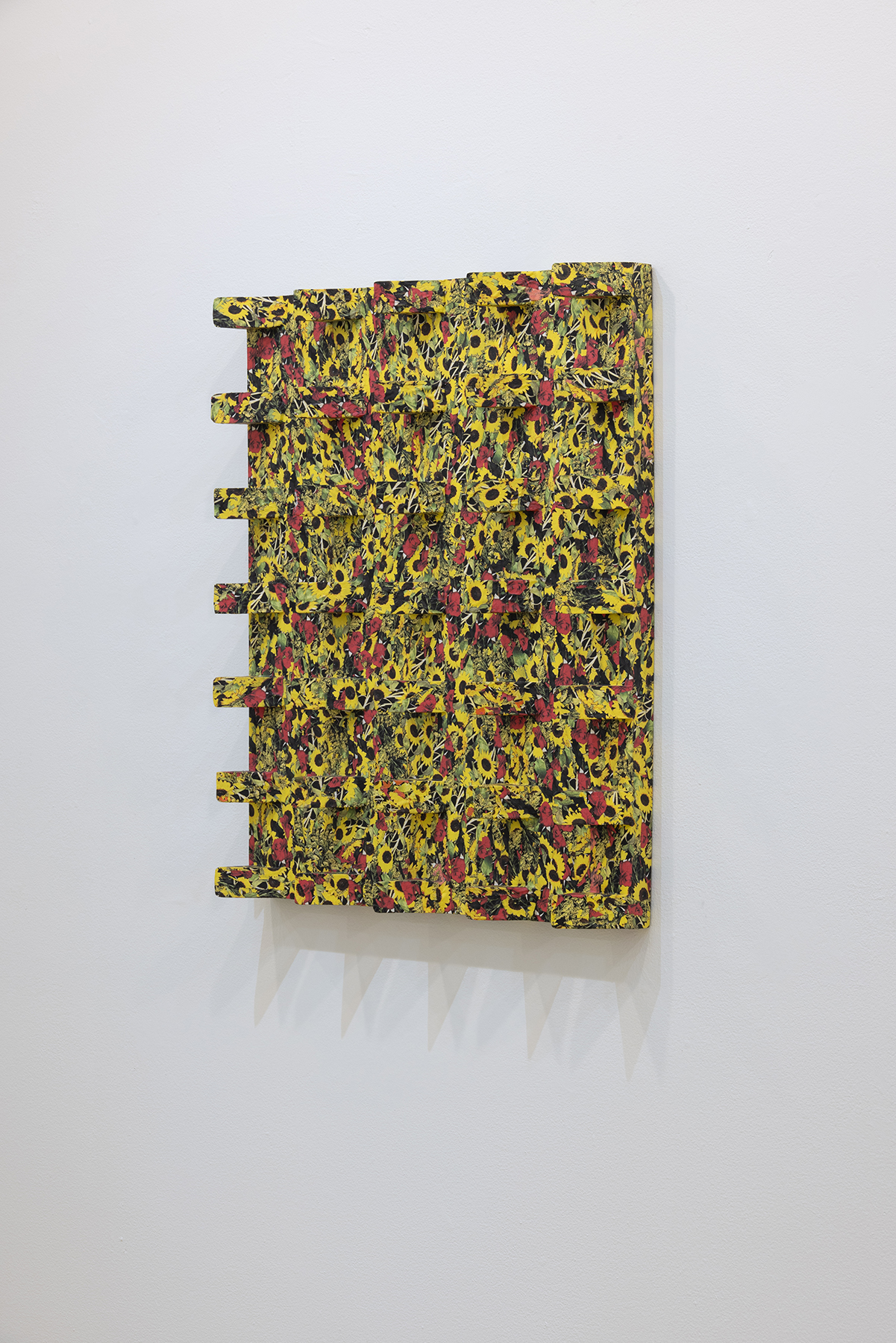
Serena Chang, Mother Liquor, 2020, Wood,
pigment, paper, pva adhesive, clear coat, 23 x 30 x 4.5 inches
Opening Reception: Thursday, February 5th, 2026, 4:30–7:30pm
A group exhibition organized by Michael Assiff on view February 5–March 21, 2026.
Featured artists include André Magaña, Carly Mandel, Catherine Telford Keogh, Jan Mun, Kahlil Robert Irving, Michael Assiff, and Serena Chang.
The Yeh Art Gallery at St. John’s University is pleased to announce Debugging the Earth, a group exhibition organized by Michael Assiff featuring artists André Magaña, Carly Mandel, Catherine Telford Keogh, Jan Mun, Kahlil Robert Irving, Michael Assiff, and Serena Chang.
When confronting a manufactured good, reverse engineering is a way to understand and reproduce the product when its creator’s designs are hidden or unknown. Reverse engineering can be used for the maintenance of market relations: from debugging legacy software to ensure interoperability, to checking products for possible patent infringements by rivals. It can also serve liberatory aims: from reproducing lifesaving drugs that are under pharmaceutical patent to the improvisational production of needed goods under sanctions or structural underdevelopment. In both cases, reverse engineering is a way to reveal the creator’s ideological priors—their assumptions and orientation to their world and its inhabitants.
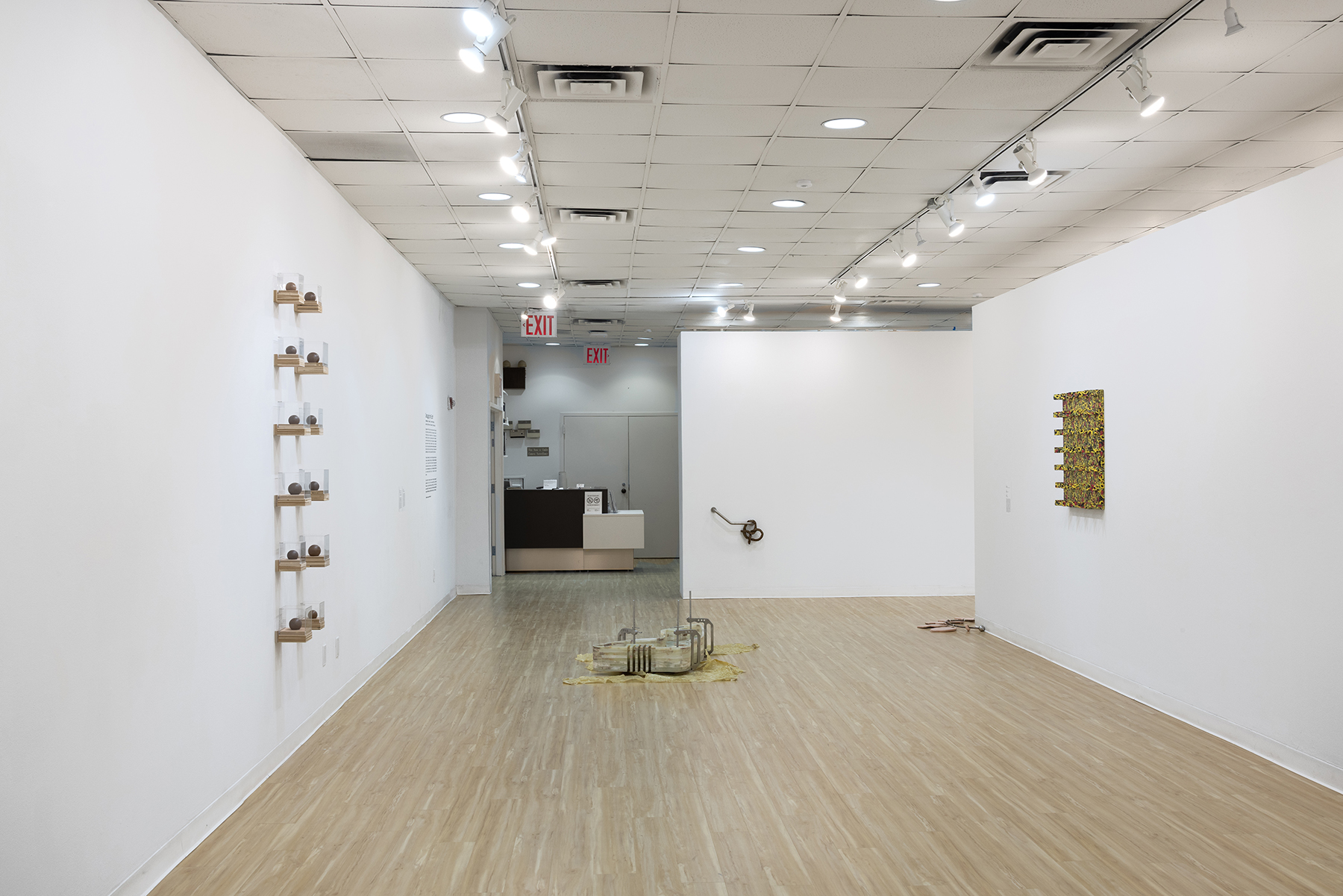
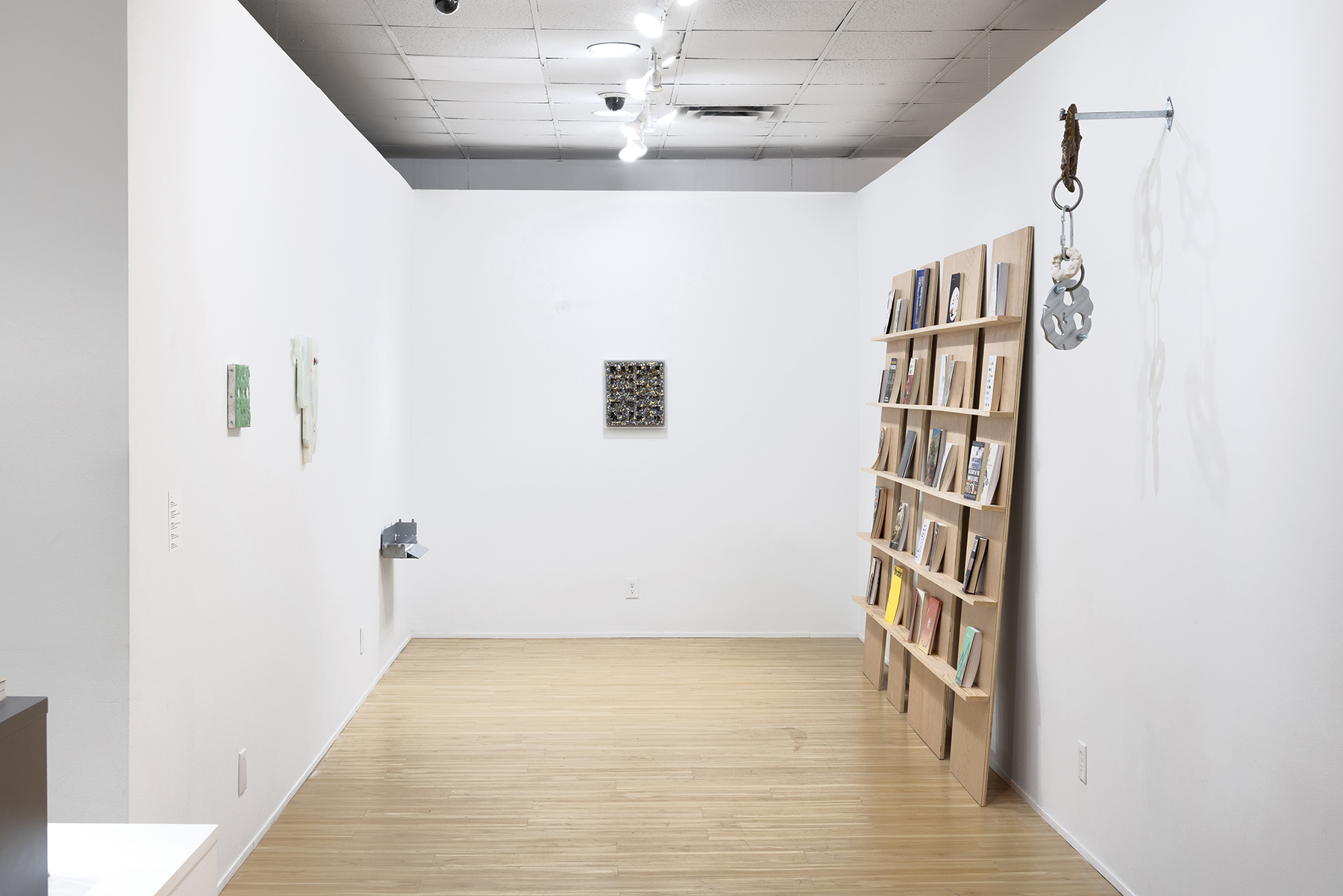
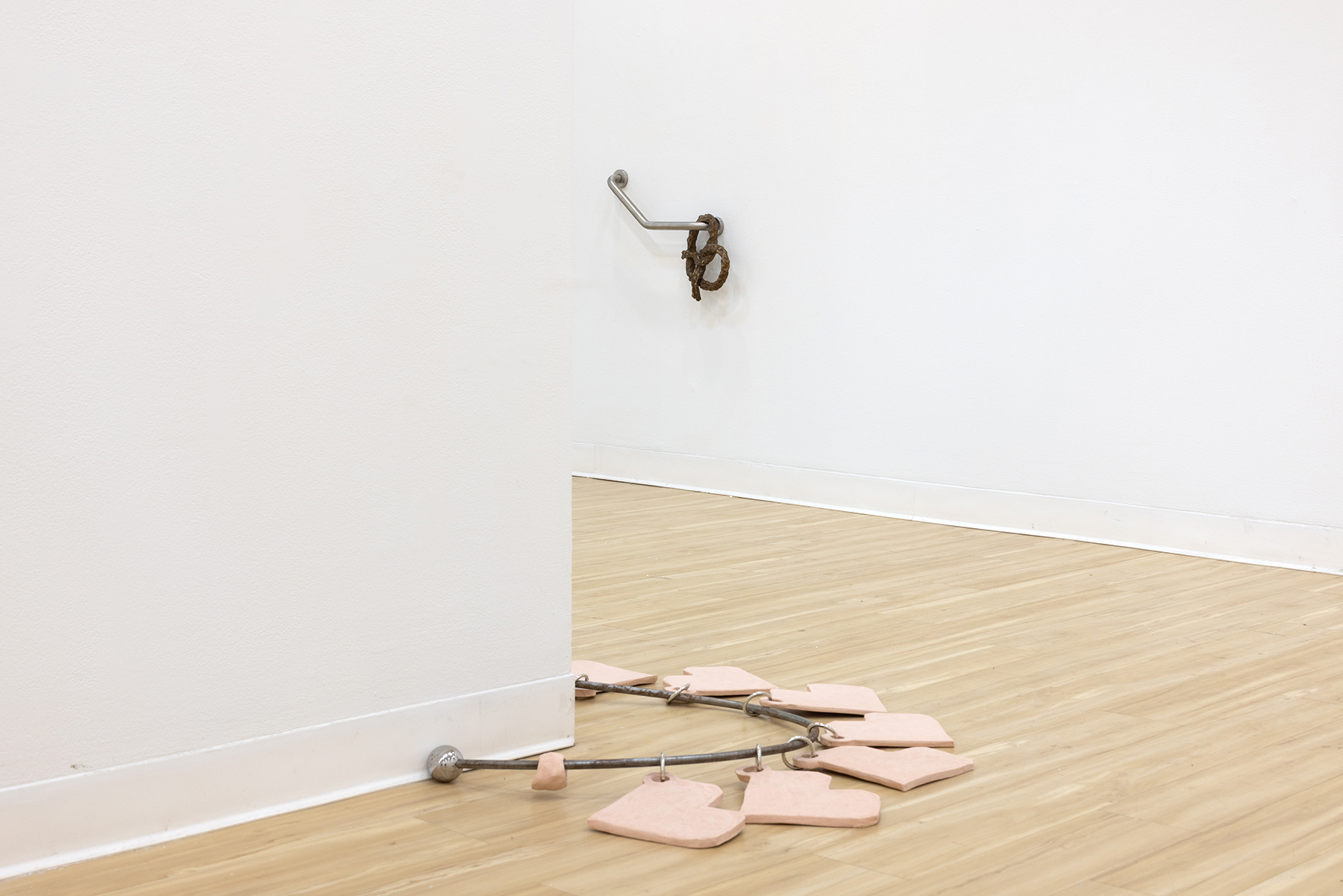
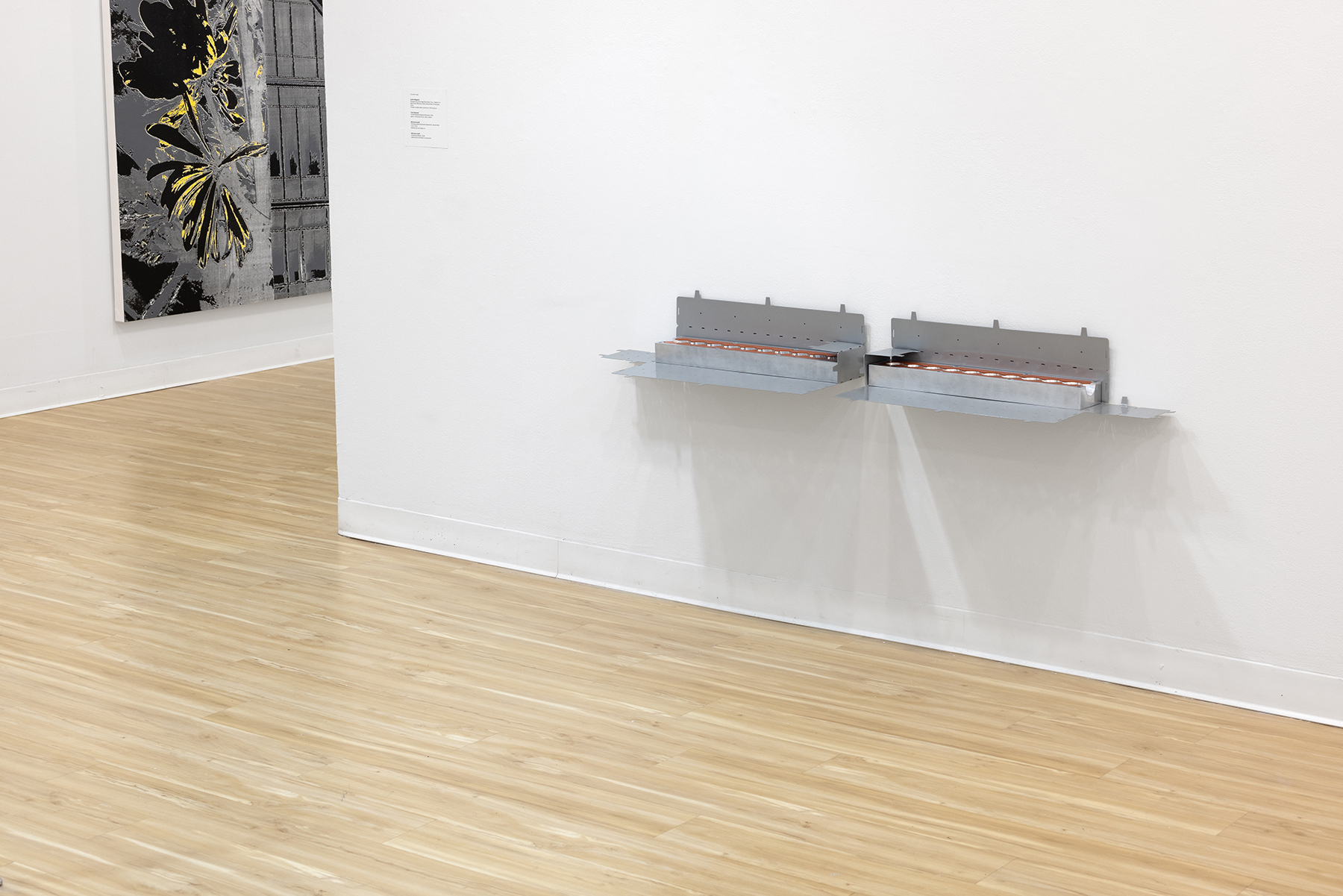
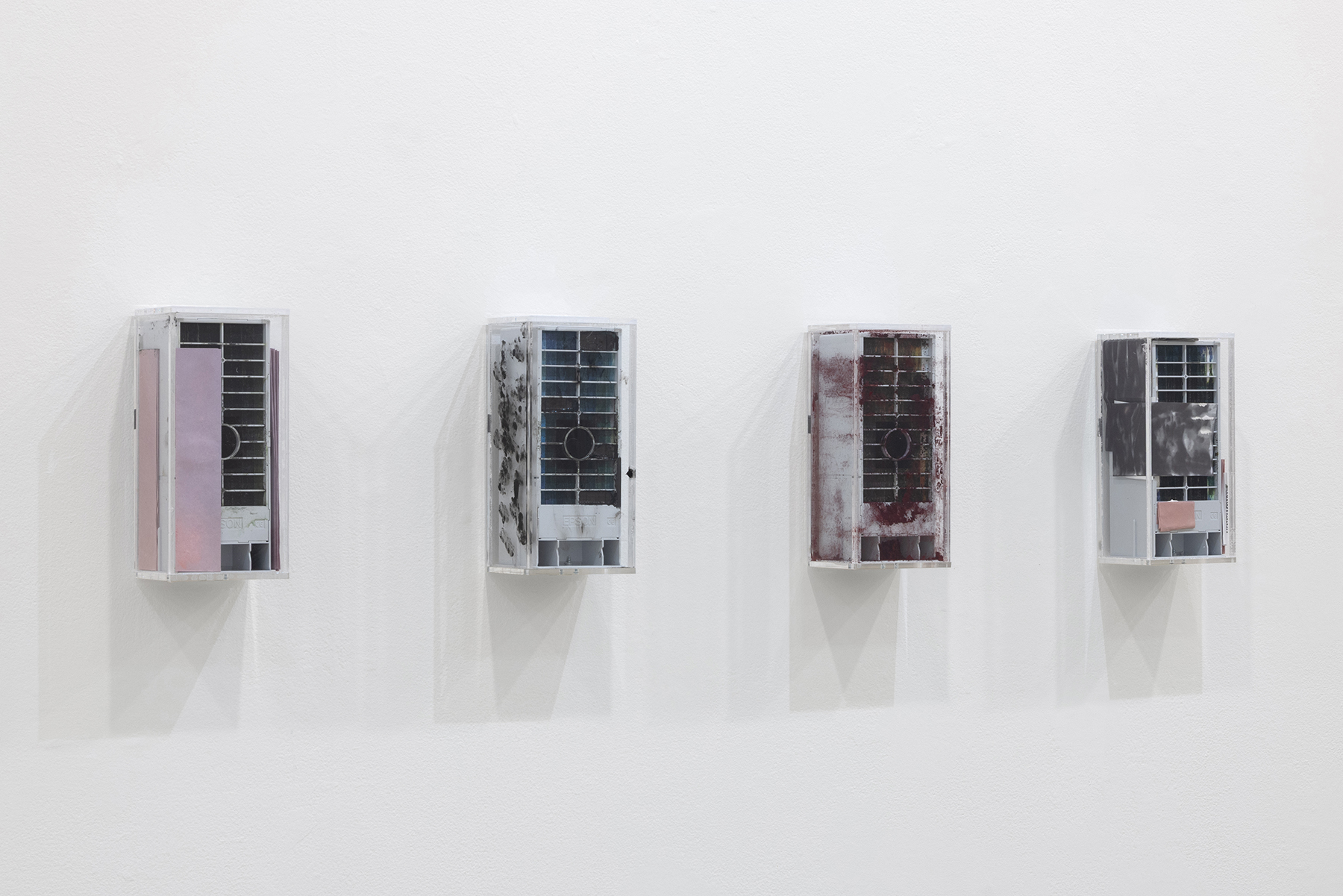
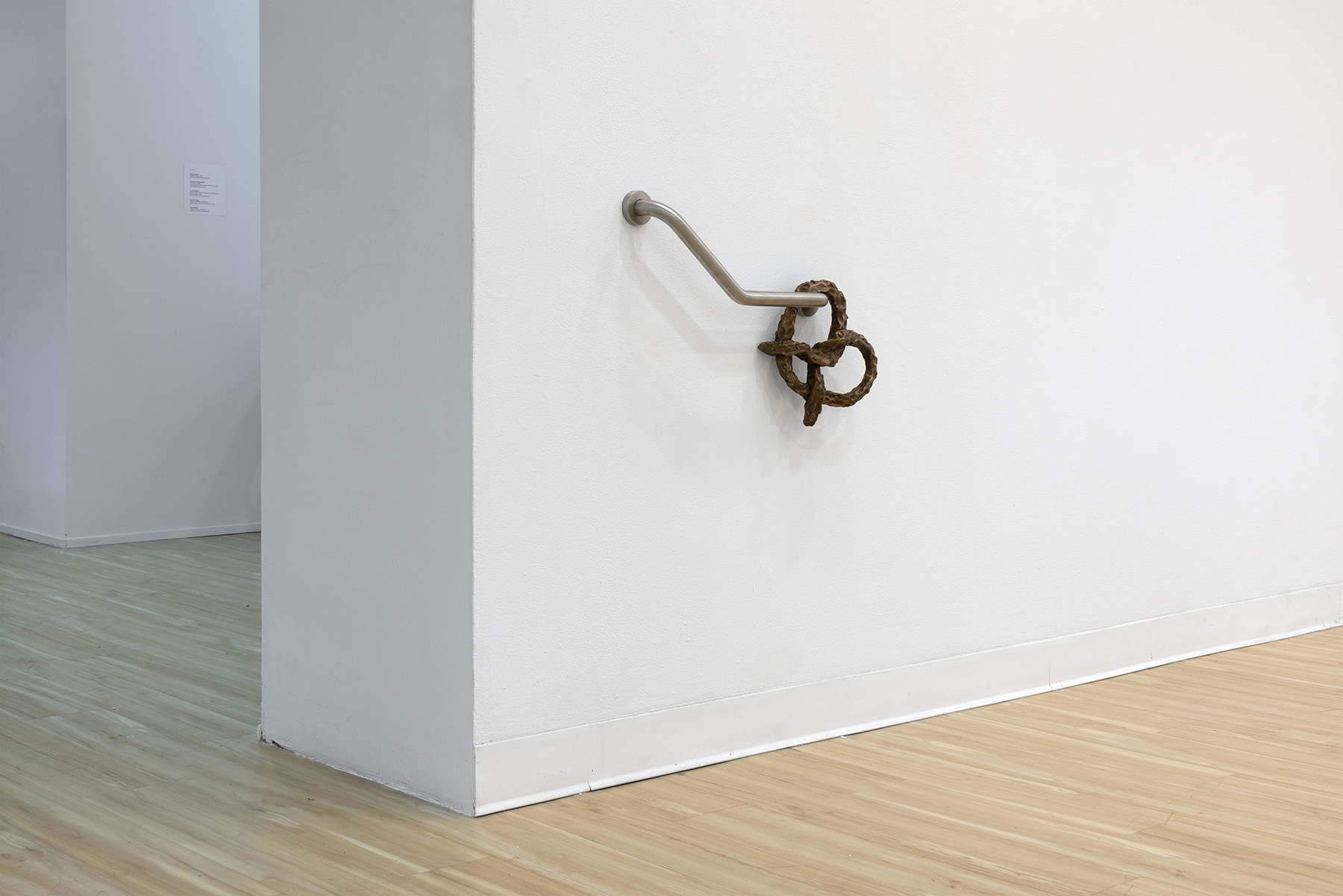
Throughout the exhibition, manufactured goods appear both as support structures and as ready-made art objects. In Mandel’s Mall Pretzel, a hand-sculpted cast bronze pretzel dangles pendant-like from a bathroom stall grab bar hung at the ADA compliant height of 33 inches from the ground—pointing to the role of the civil engineer/interior architect as the negotiator between the vulnerabilities and vicissitudes of the human body and the standardized built environment. Magaña’s security drawer works are painstaking replicas of the internal drawers of safety deposit boxes. Removed from the enclosures of imagined financial institutions, the drawers are affixed to the wall—unsecuritized and unprotected—as empty vessels of use and exchange value.
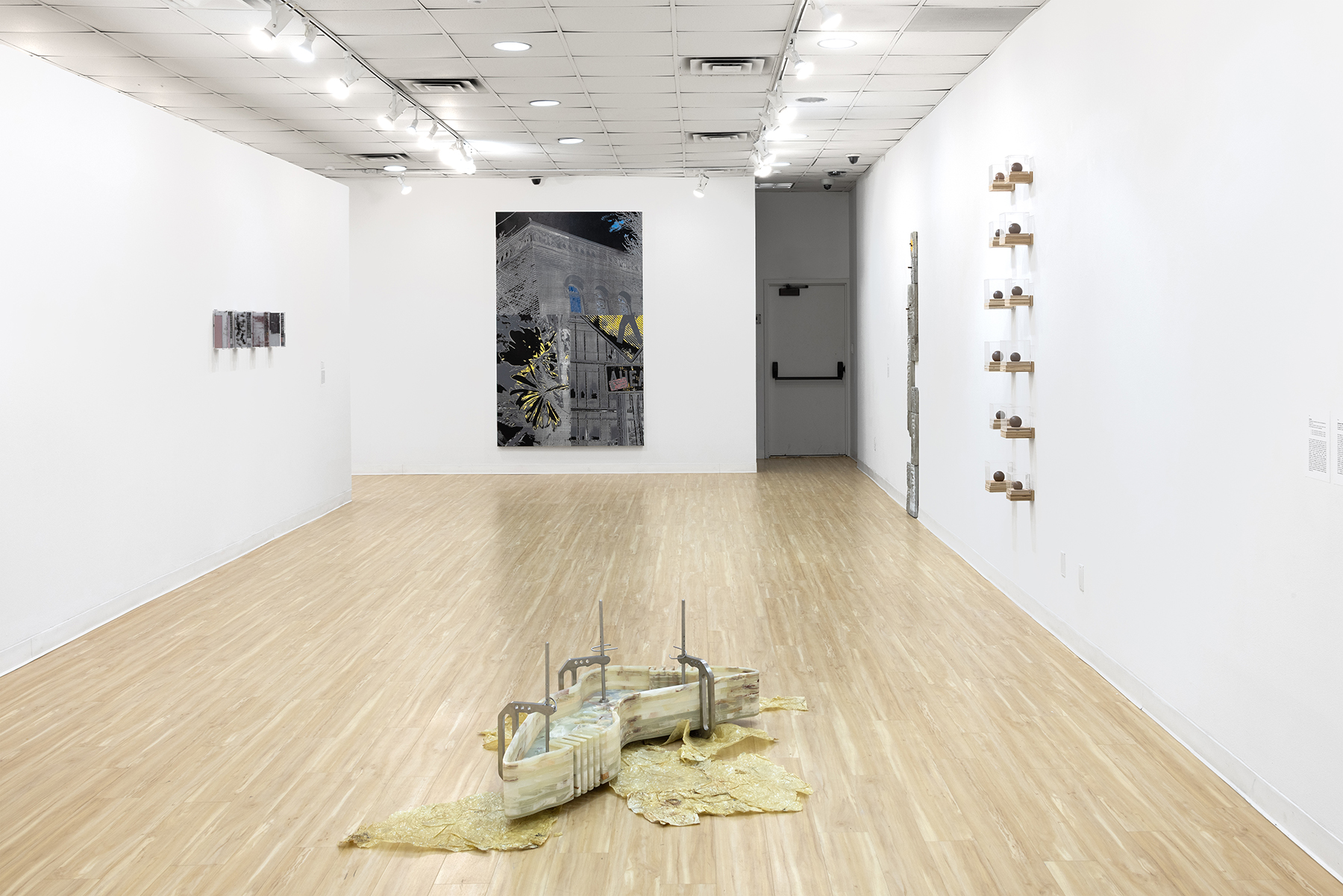
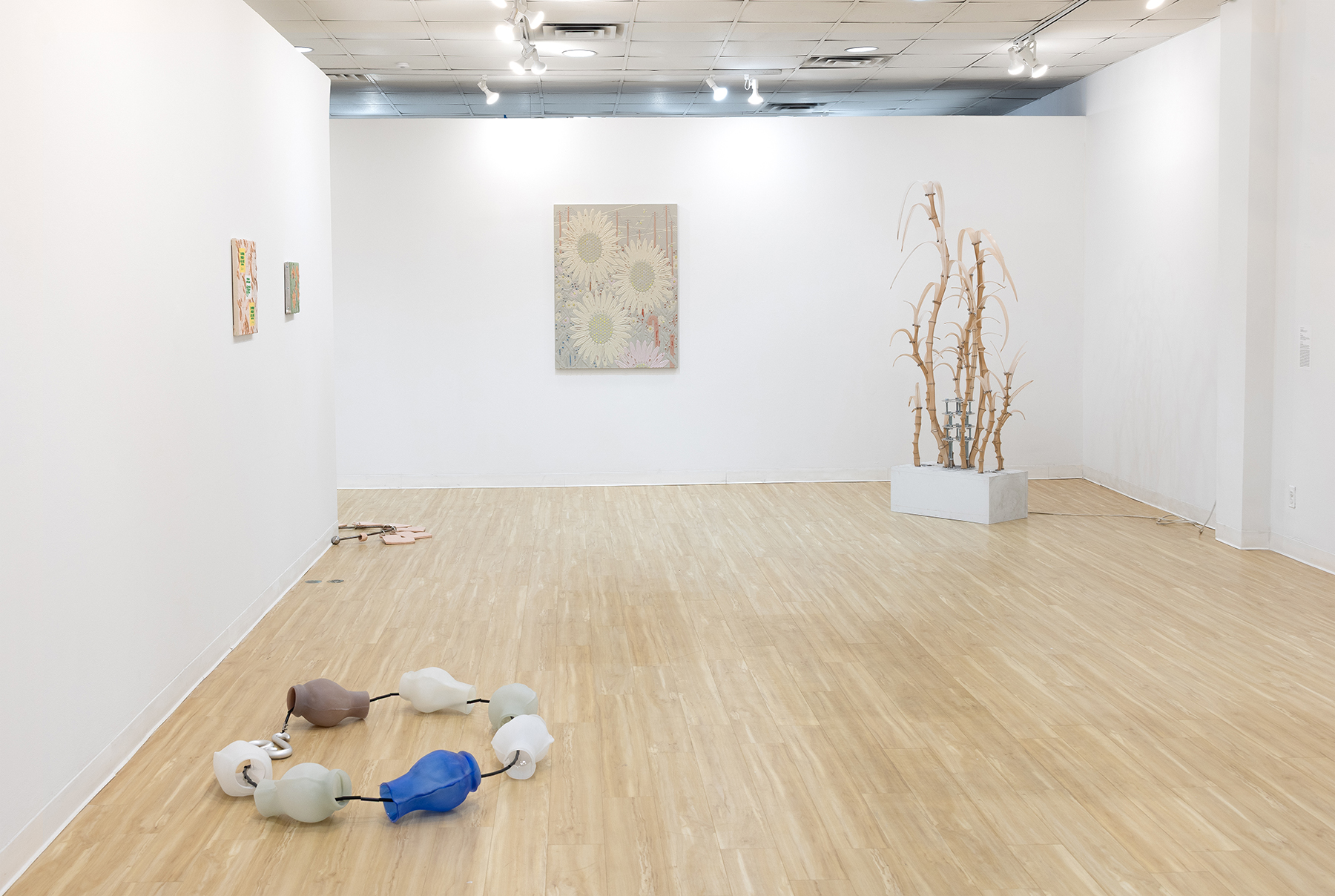
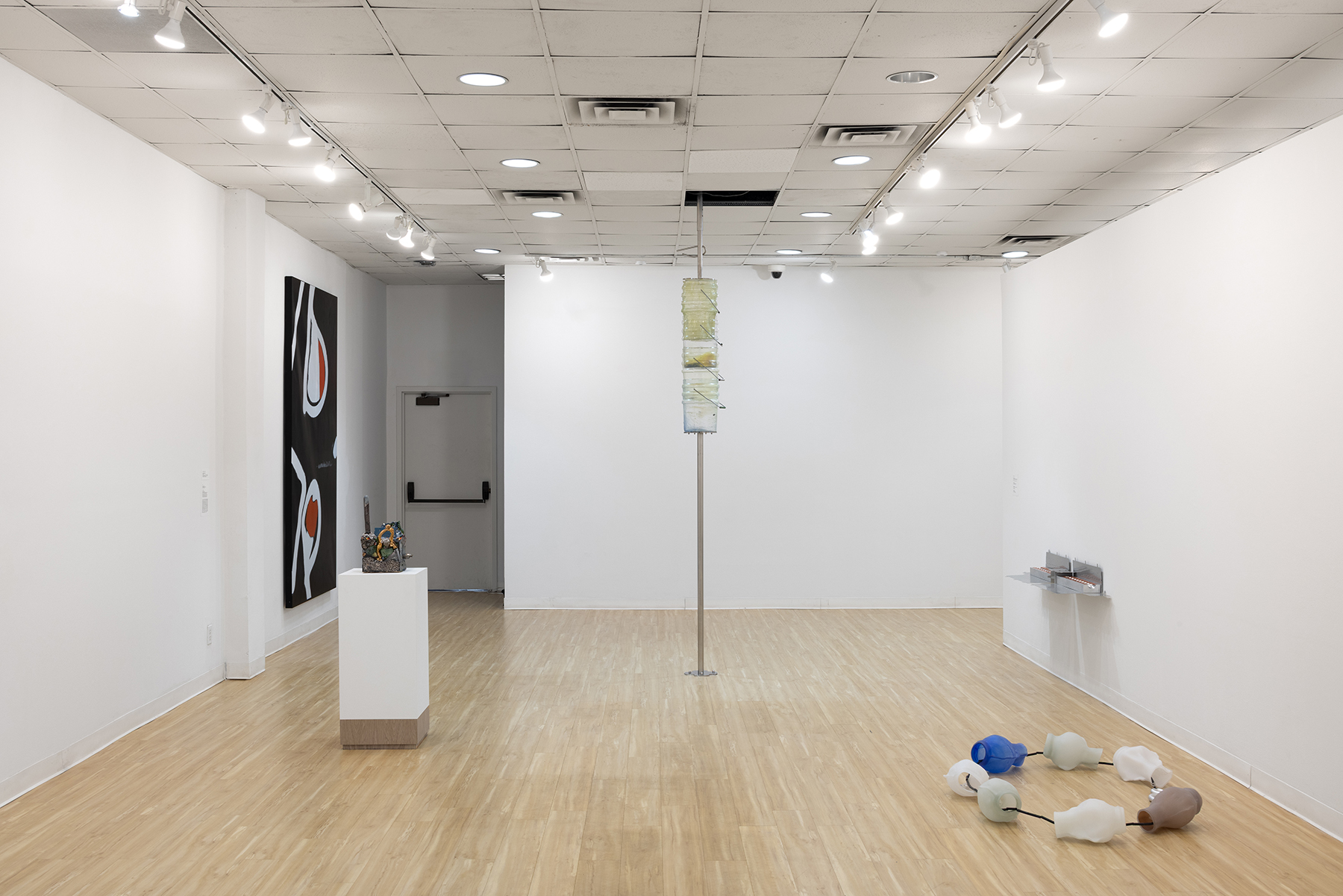
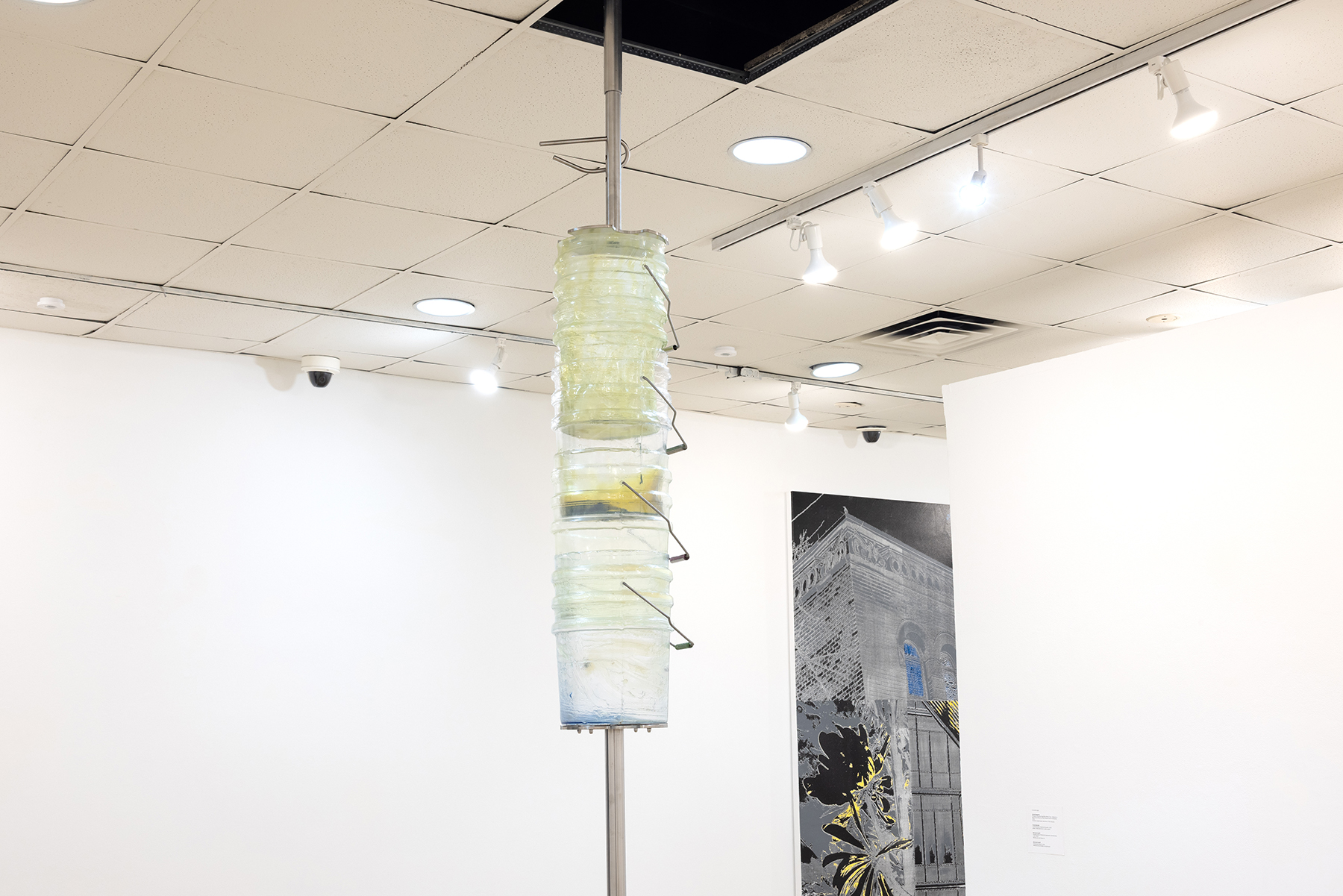
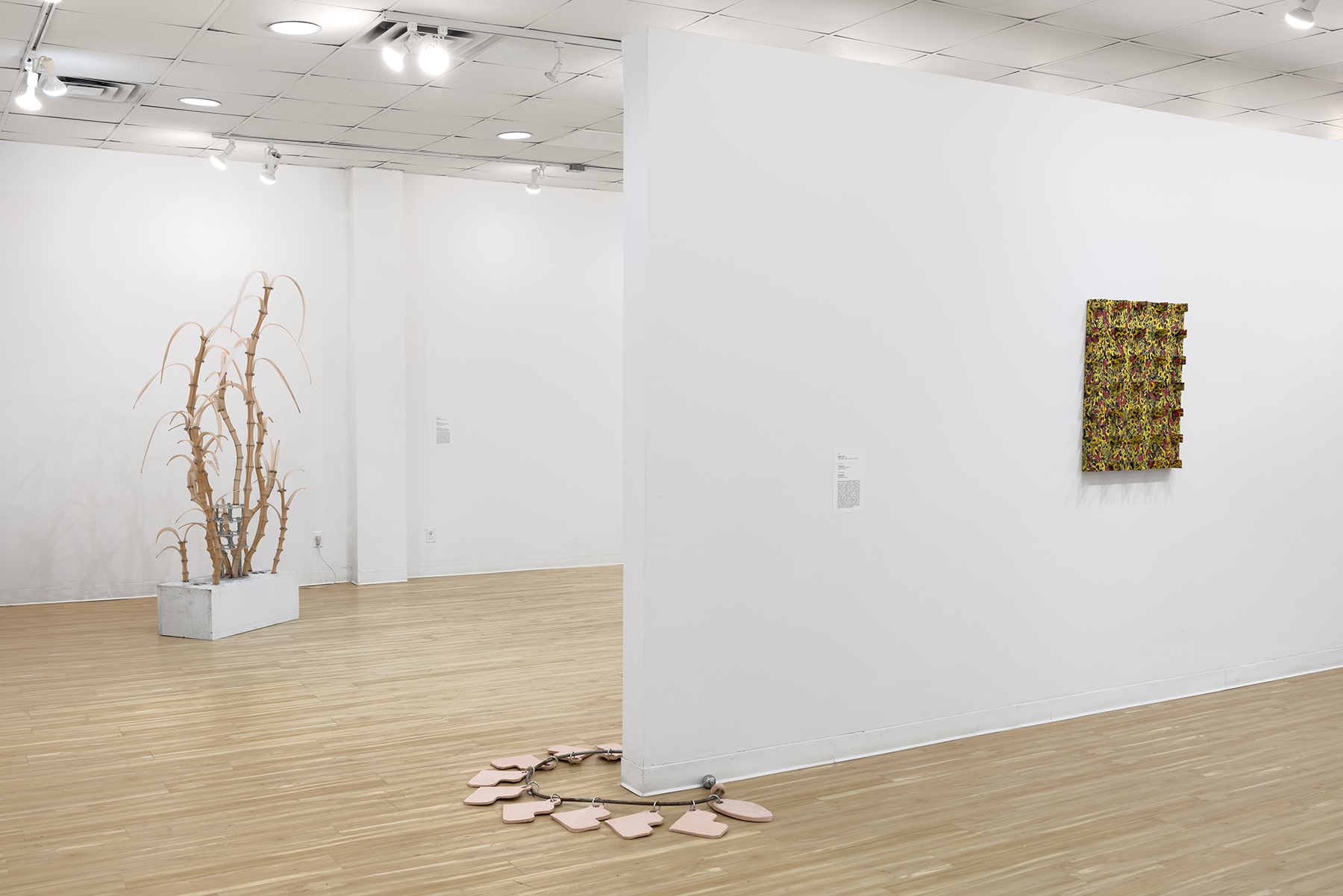
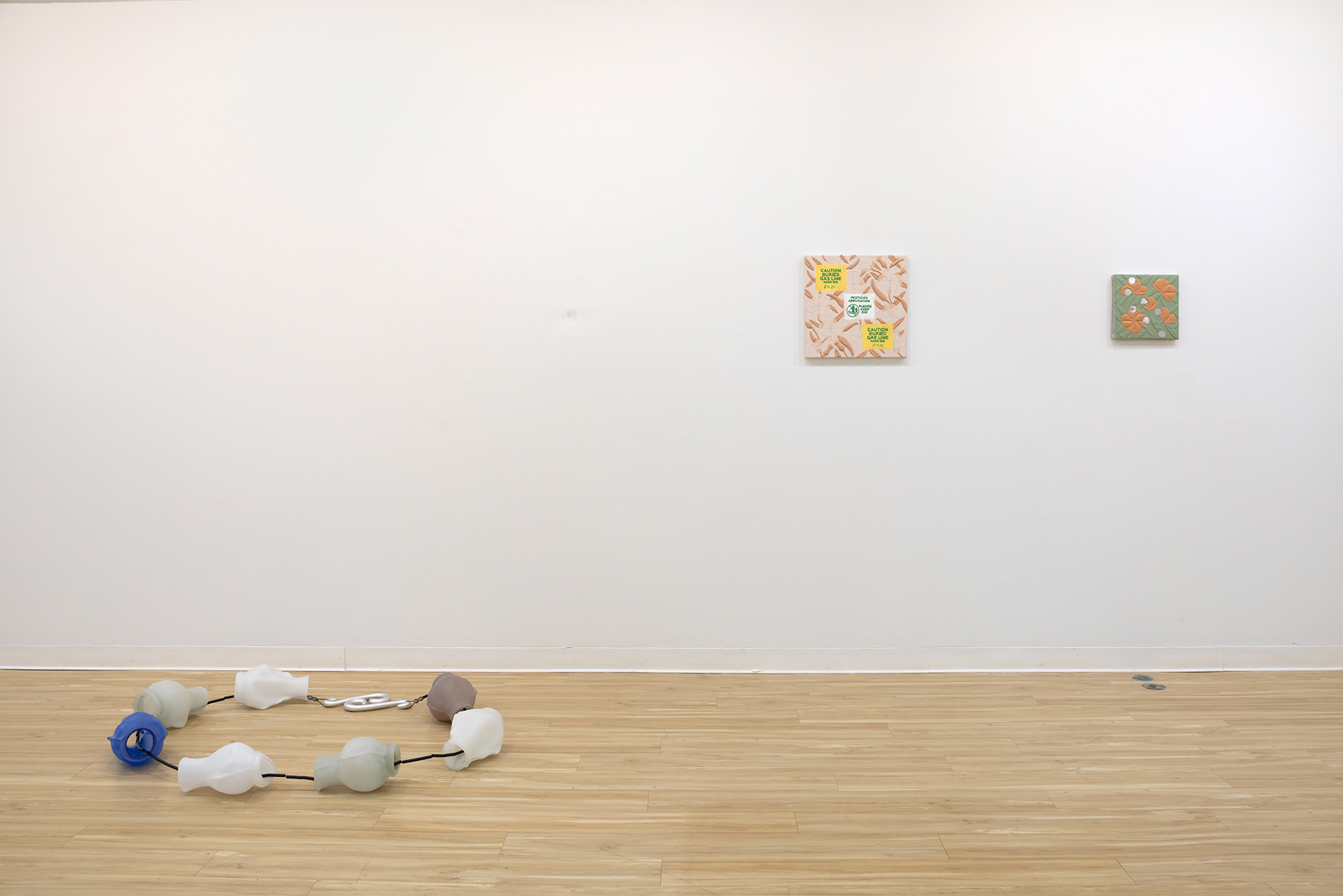
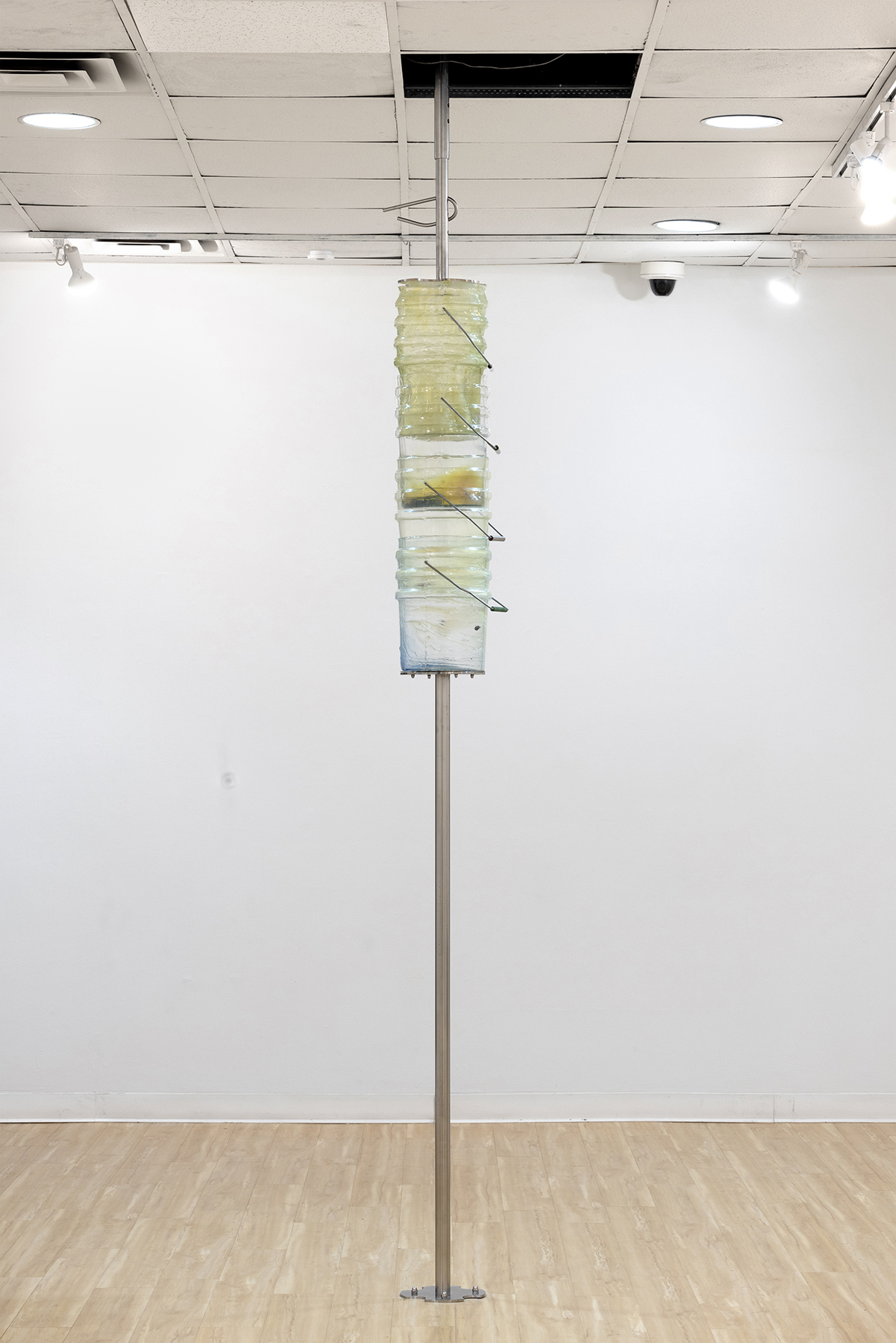
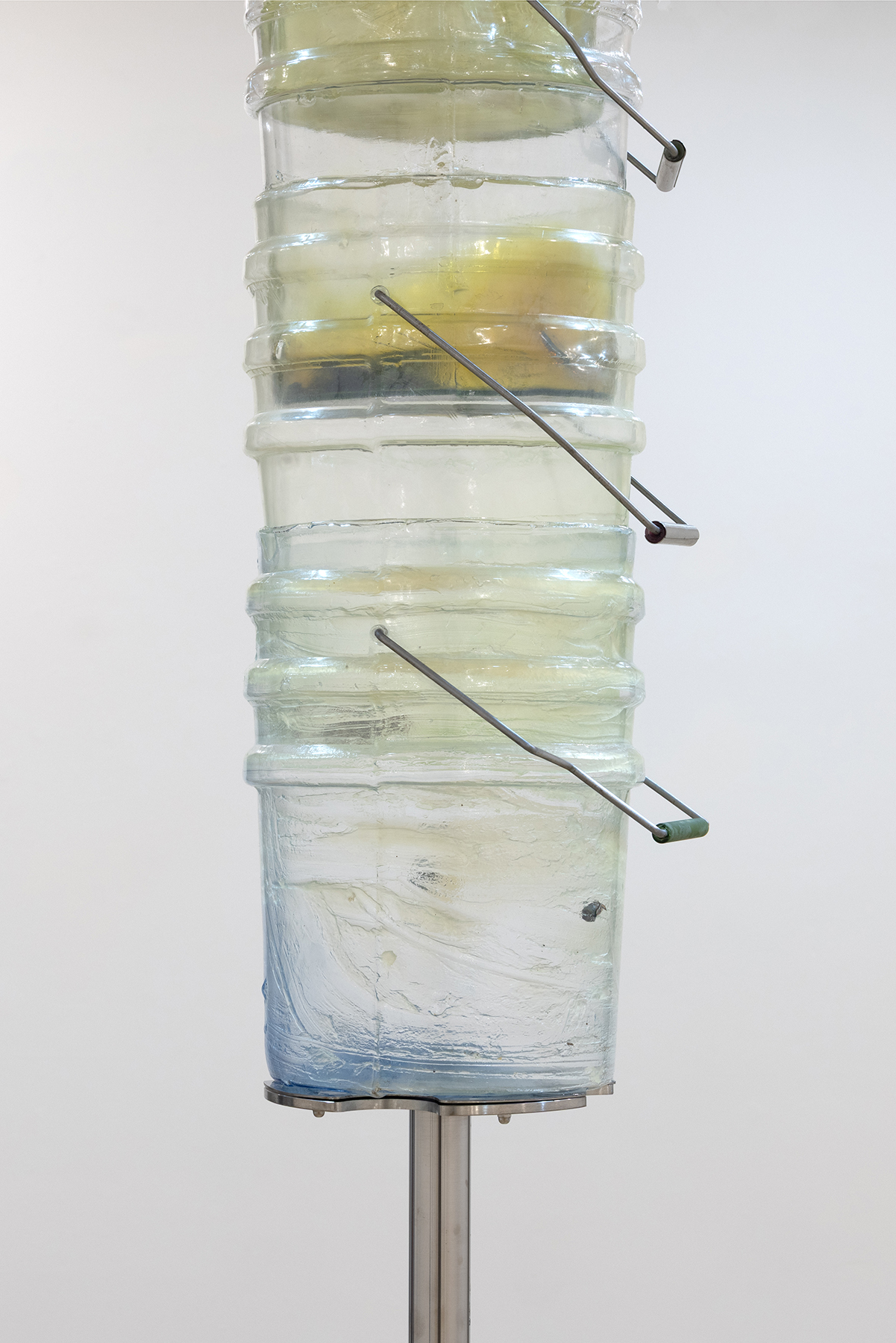
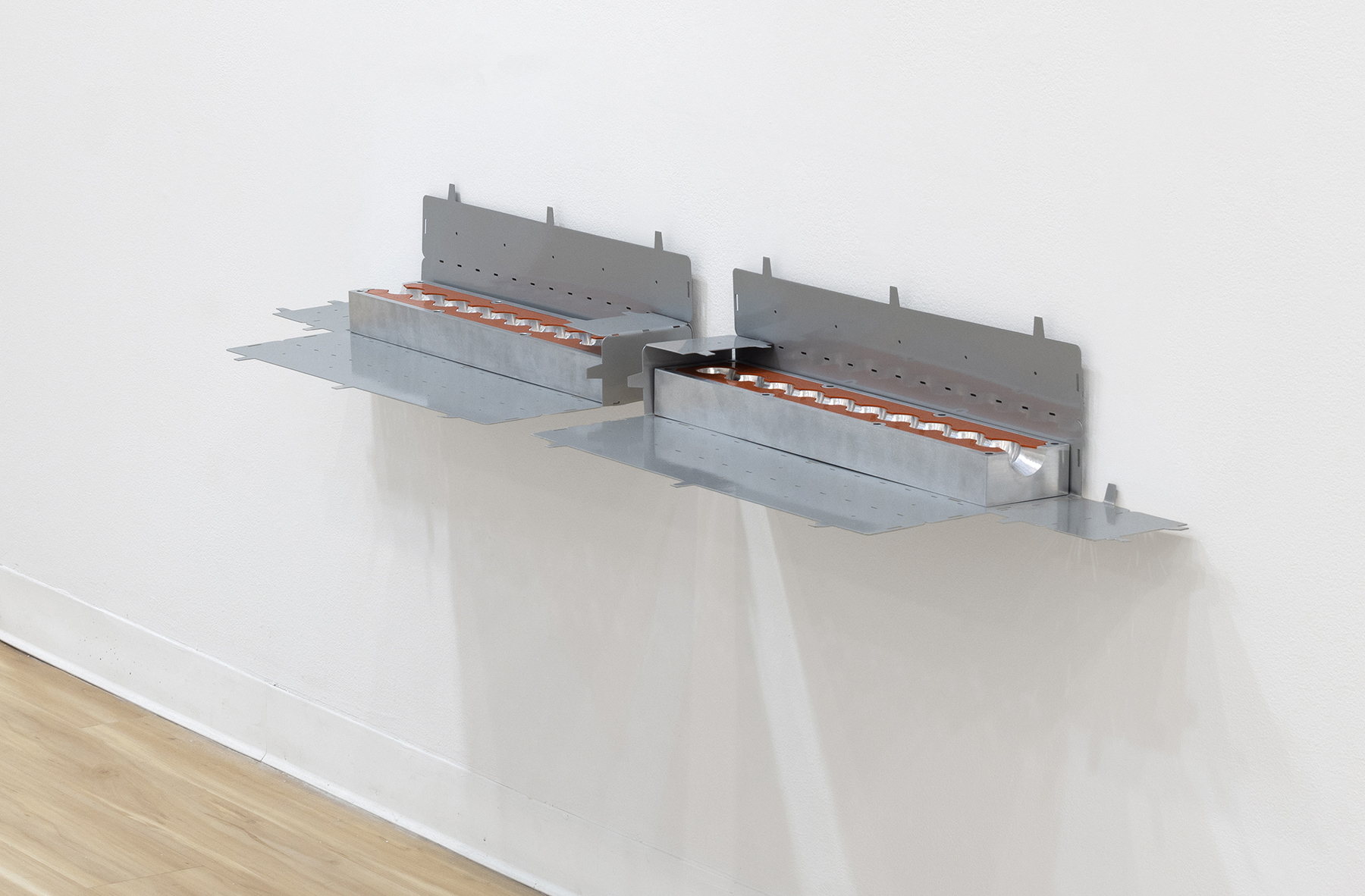
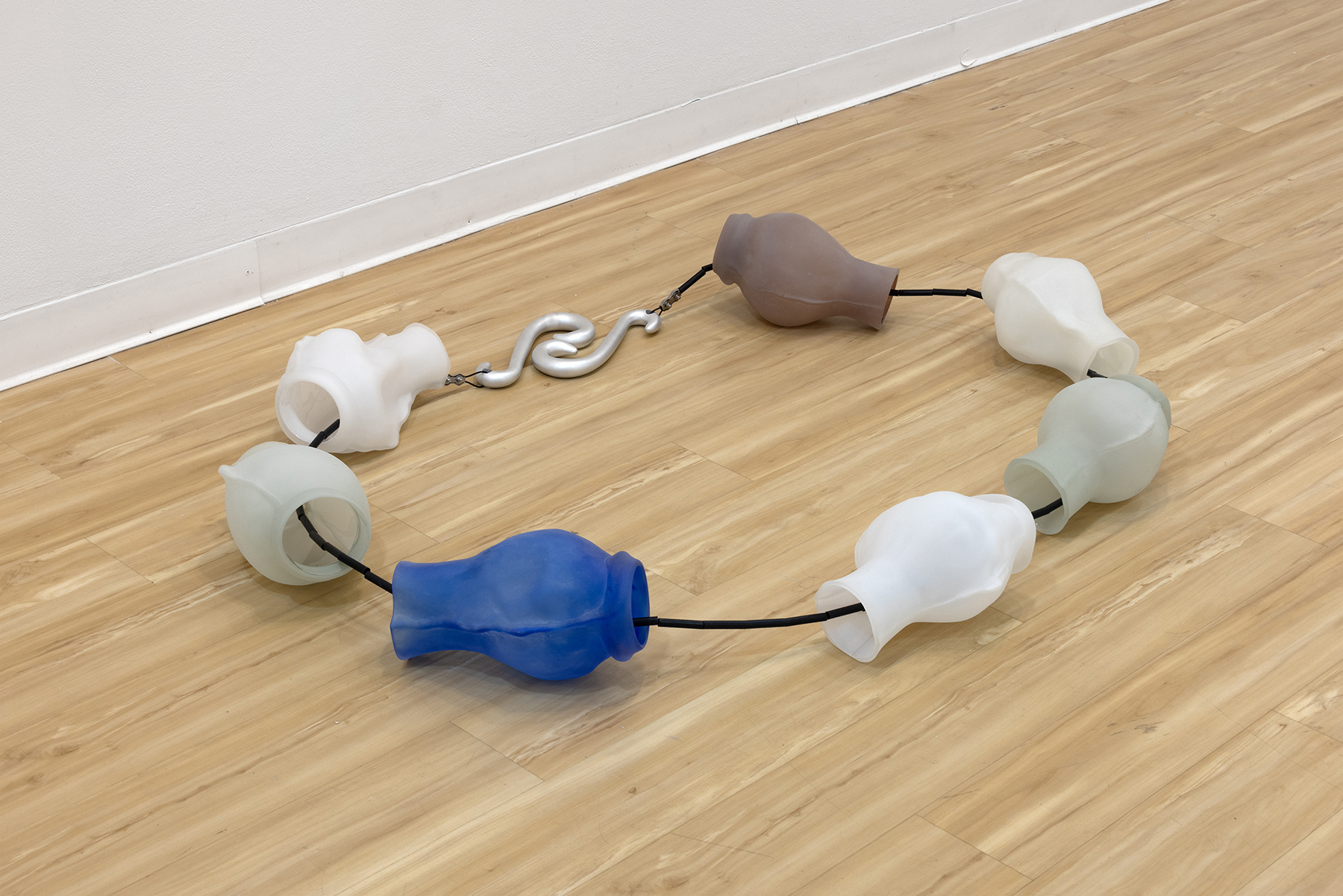
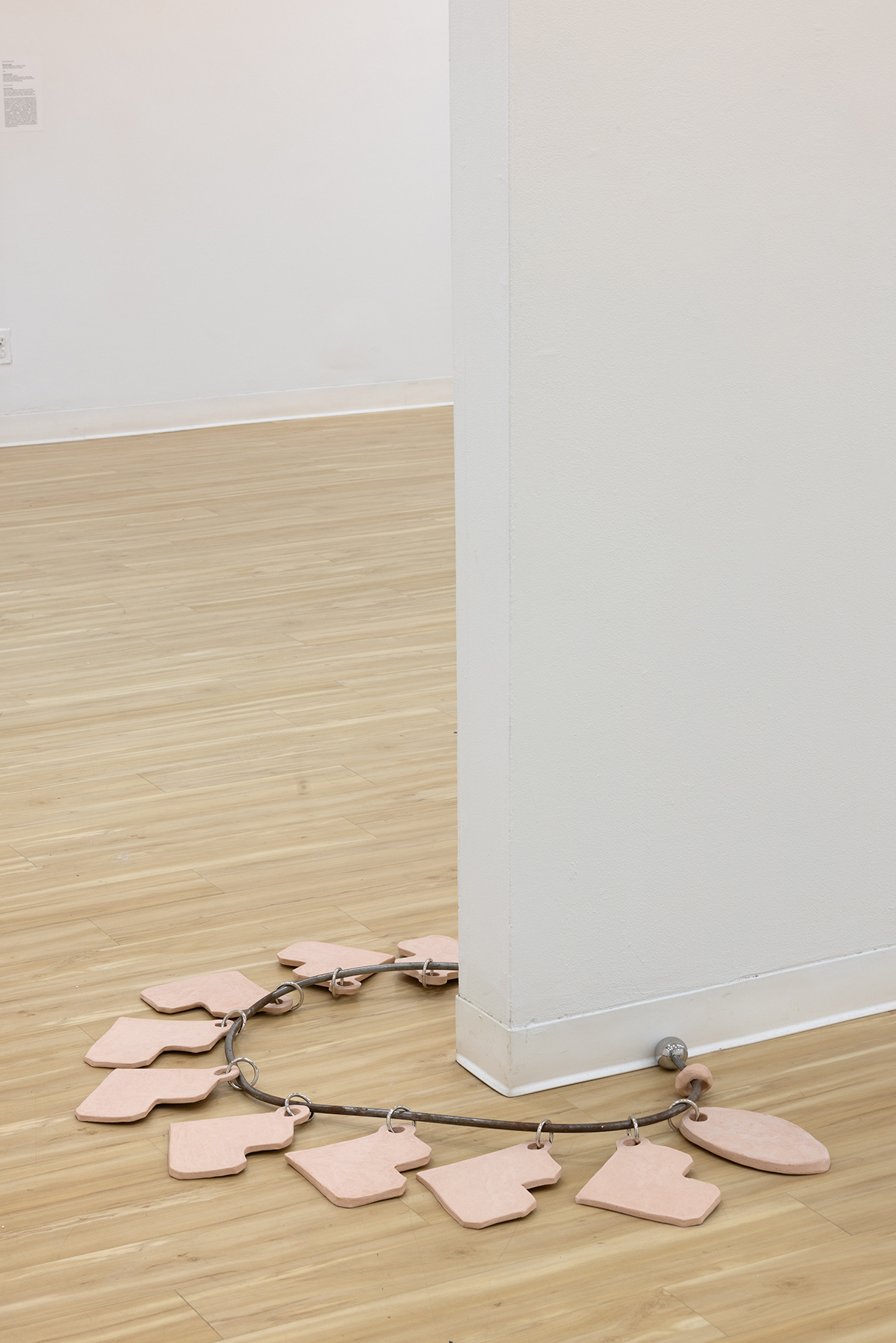
Further within the exhibition, manufactured goods appear in various stages of production: a CVS branded medical bracelet hand rendered in ceramic, at an apparent prototype stage; Leaktite 2 gallon buckets made from hand blown glass, recalling an older technologic stage of manufacturing prior to plastic injection molding; a Bioré mask, over-engineered in rigid corrugated aluminum.
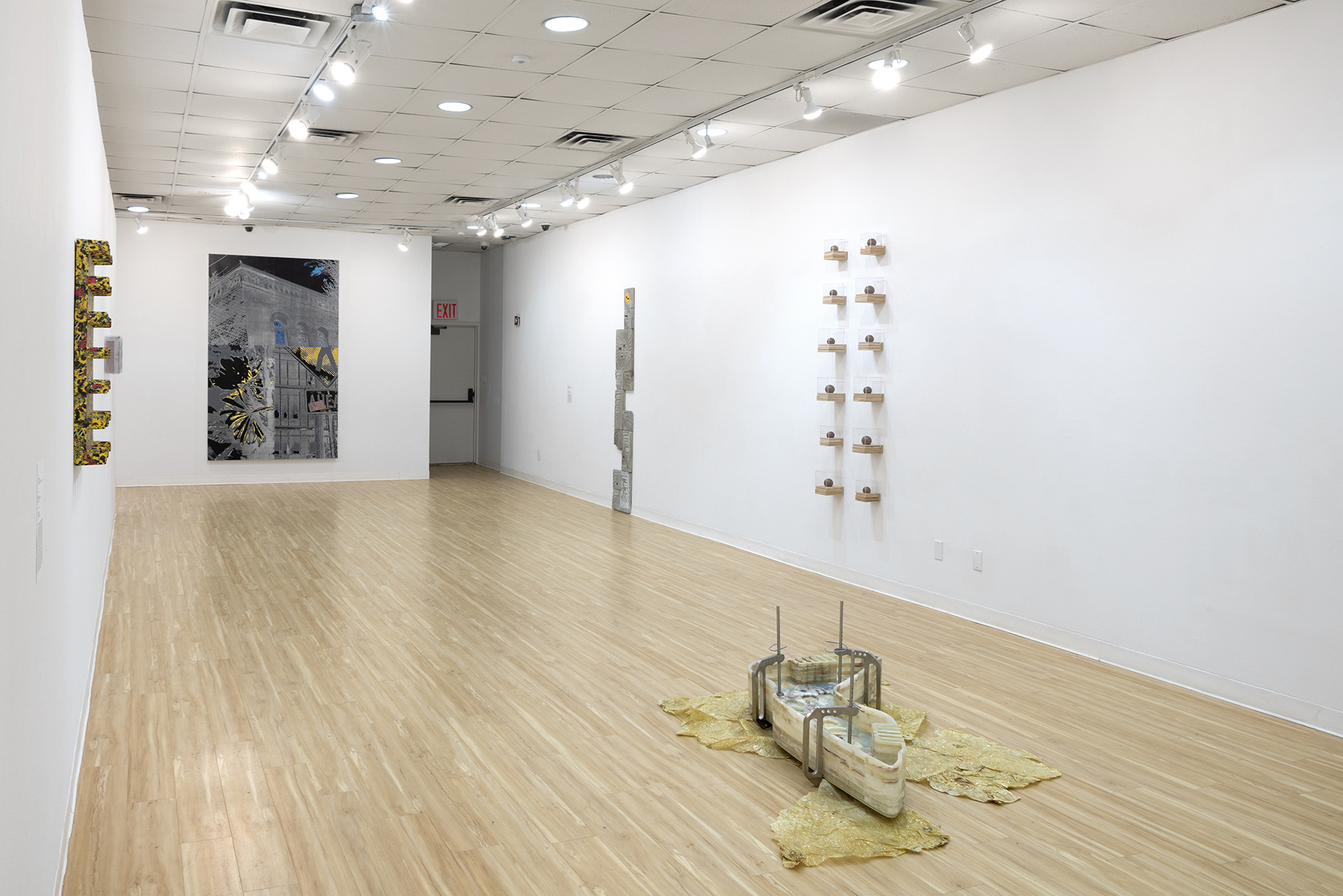
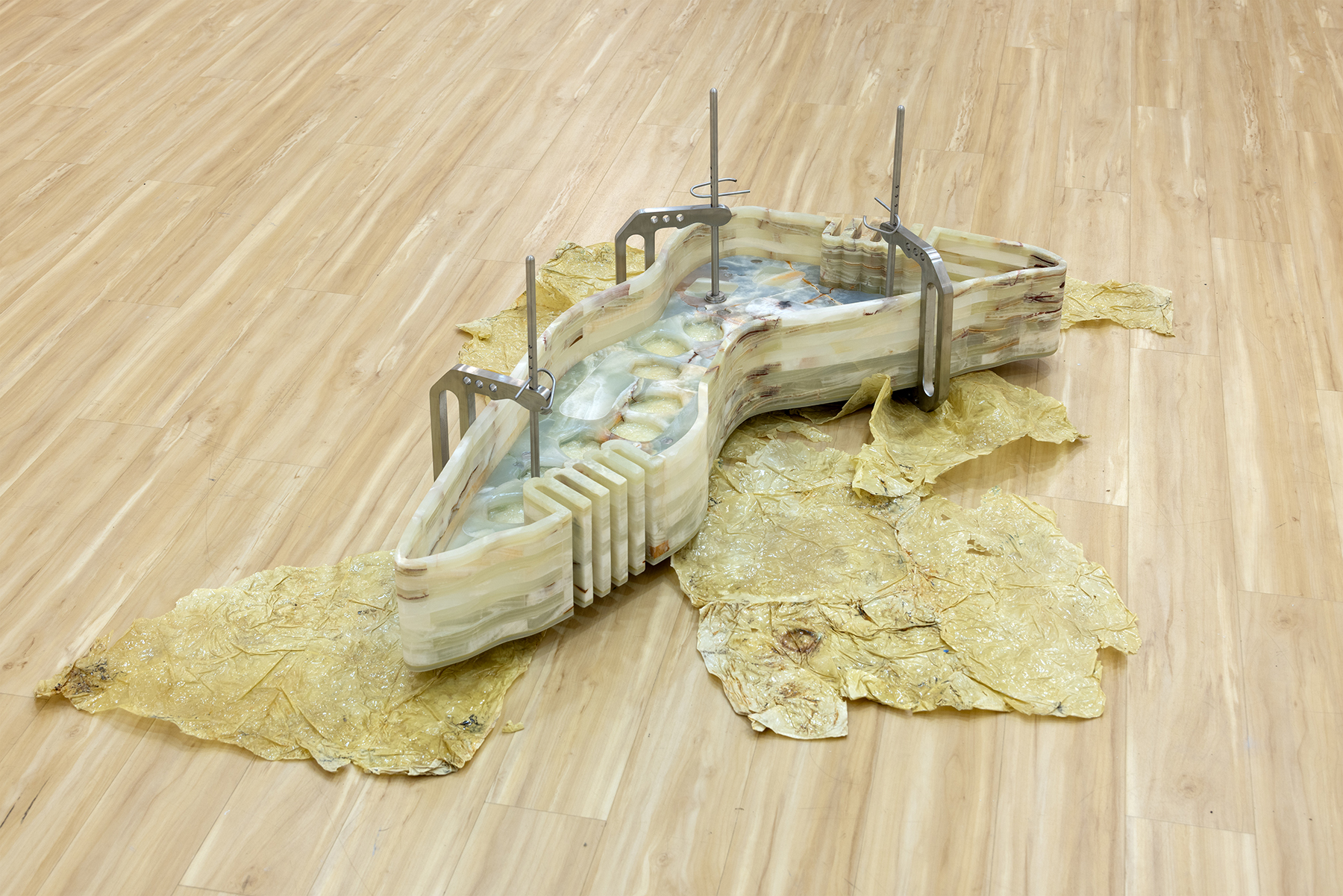
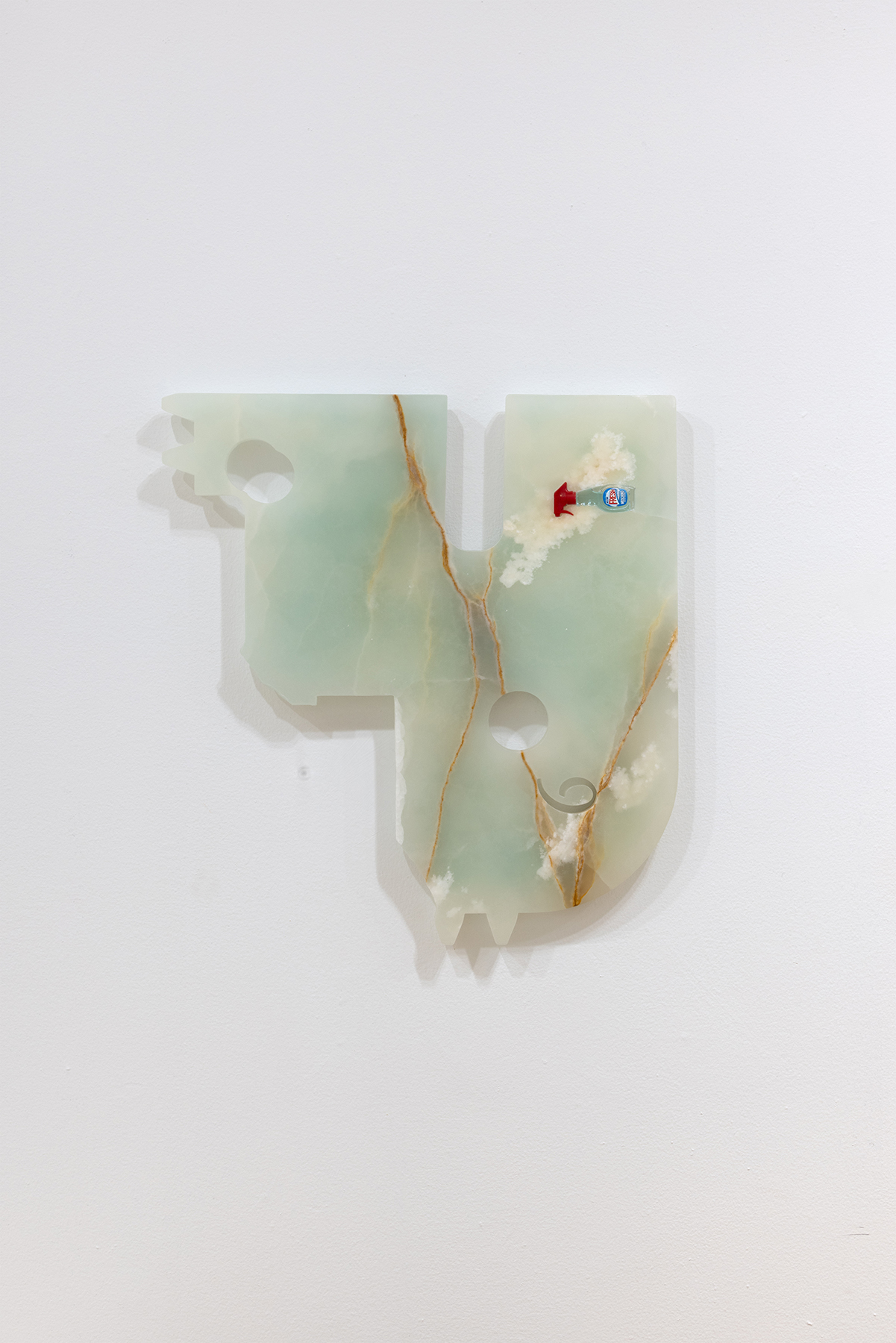
For Telford Keogh, moving forward and backwards within the production process includes the deep time of geology and fossil fuels—tracing the manufactured goods to their commodity constituencies. Telford Keogh’s CNC routed pink and green Karachi onyx sculpture acts as a secular reliquary for Vaseline—a refined petroleum byproduct once referred to as "rod wax," the black, sticky substance that would clog oil drilling equipment—itself an accretion of geologic pressures.
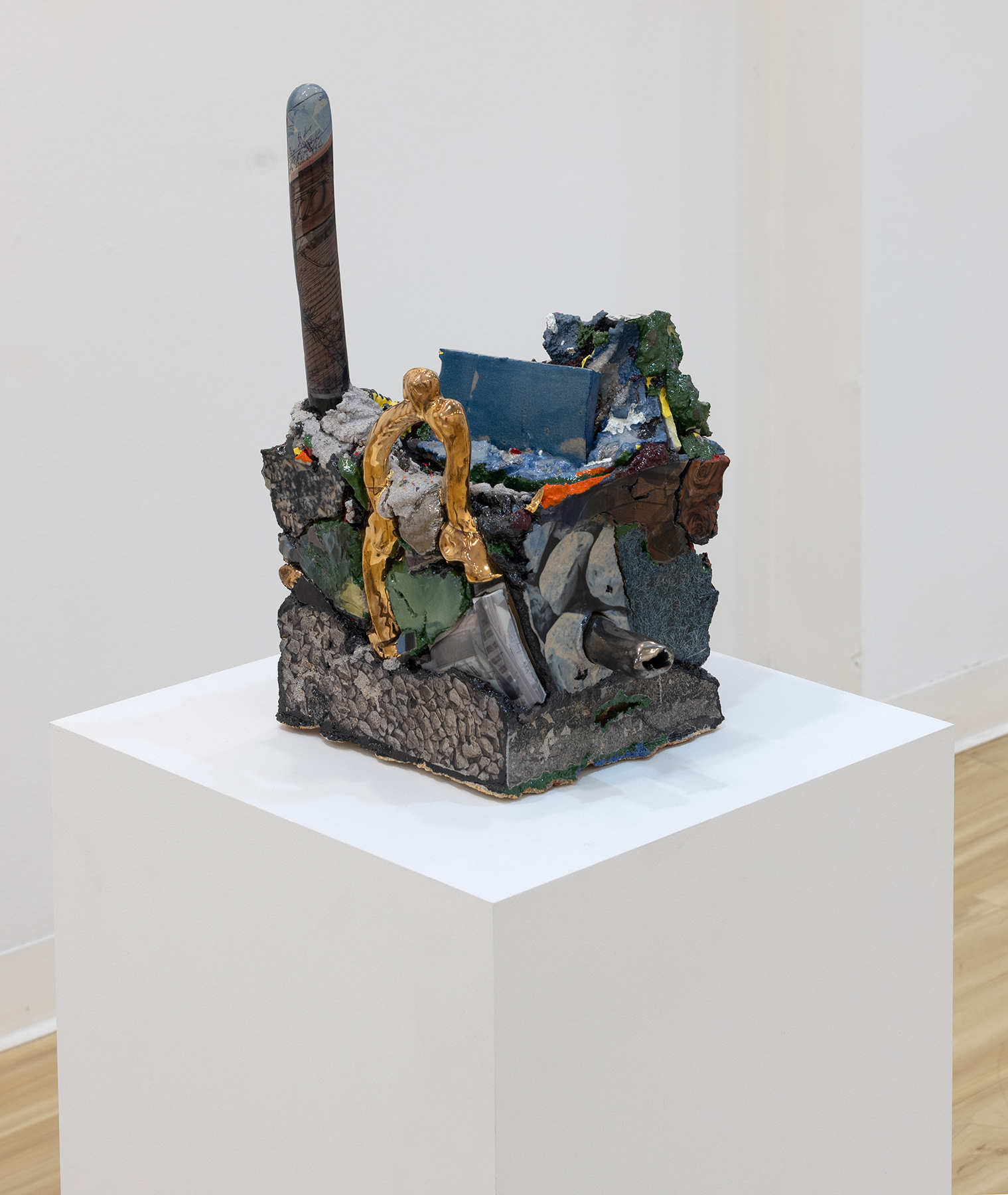
Irving’s sculptures employ a sedimentary logic: accruing ceramic shapes that take the form of shards, rubble, asphalt and archaic infrastructure. These backfilled compositions also contain shocks of hypercurrent detritus—ID card, newspaper clipping, cigarette carton—counterposing the deep time of the clay body with the ultra-contemporary cultural debris it depicts. The viewer approaches Irving’s sculptures as one would a brightly colored cube of crushed automobiles—as an impacted survey of the American material hardscape, a living core sample containing the still life aspect of a perfectly preserved ham sandwich in the anaerobic environment of a landfill.
Within Debugging the Earth, manufactured and commodity goods occupy shifting positions along the waste stream: Telford Keogh’s tablecloths retrieved from landfills; Magaña’s recontextualized maintenance boxes manufactured to capture and dispose of excess printer ink; Chang’s use of studio debris such as foam packaging and discarded materials from her fabrication business.
When reverse engineering is applied to the non-human world, problems instantly arise—how to disassemble an object for study that isn’t fit together with screws, bolts or adhesives? In this situation, the reverse engineer turns to rendering the subject in order to scrutinize its constituent parts. Rendering here carries a triple meaning: to depict, to tear apart, and to boil down—whether dissecting a subject with an epistemological knife, circumscribing it with a drawing instrument, or processing it to extract its essence.
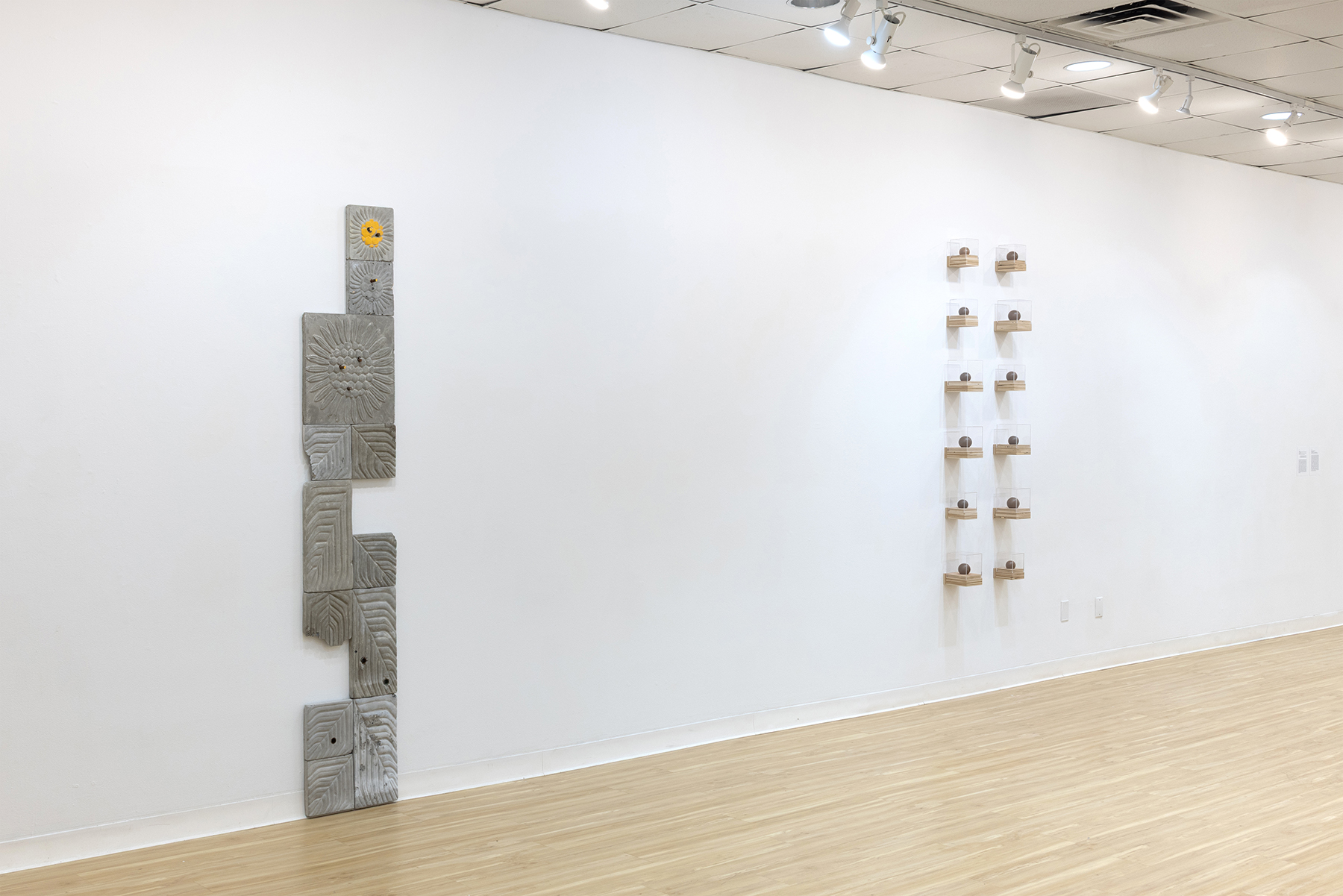
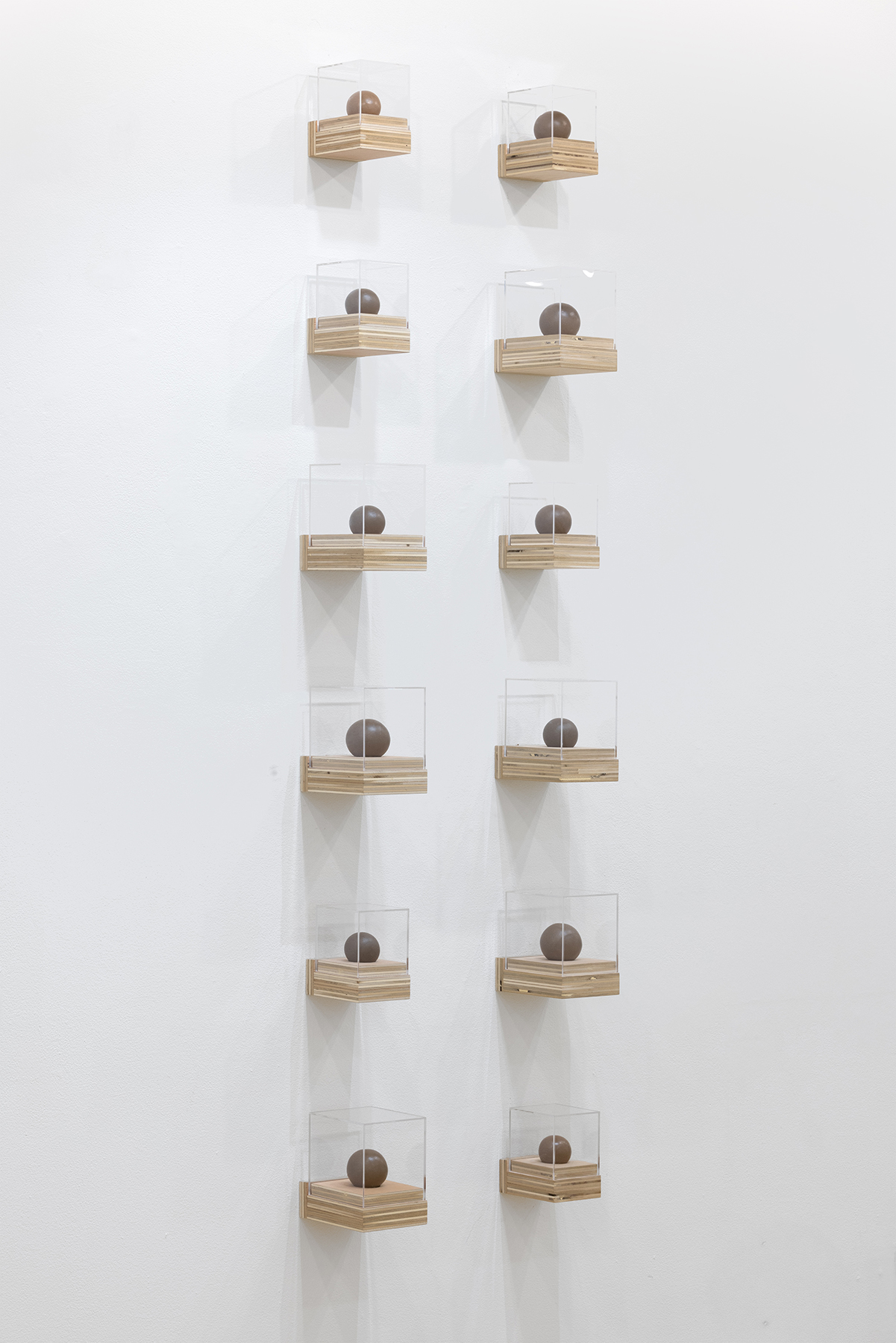
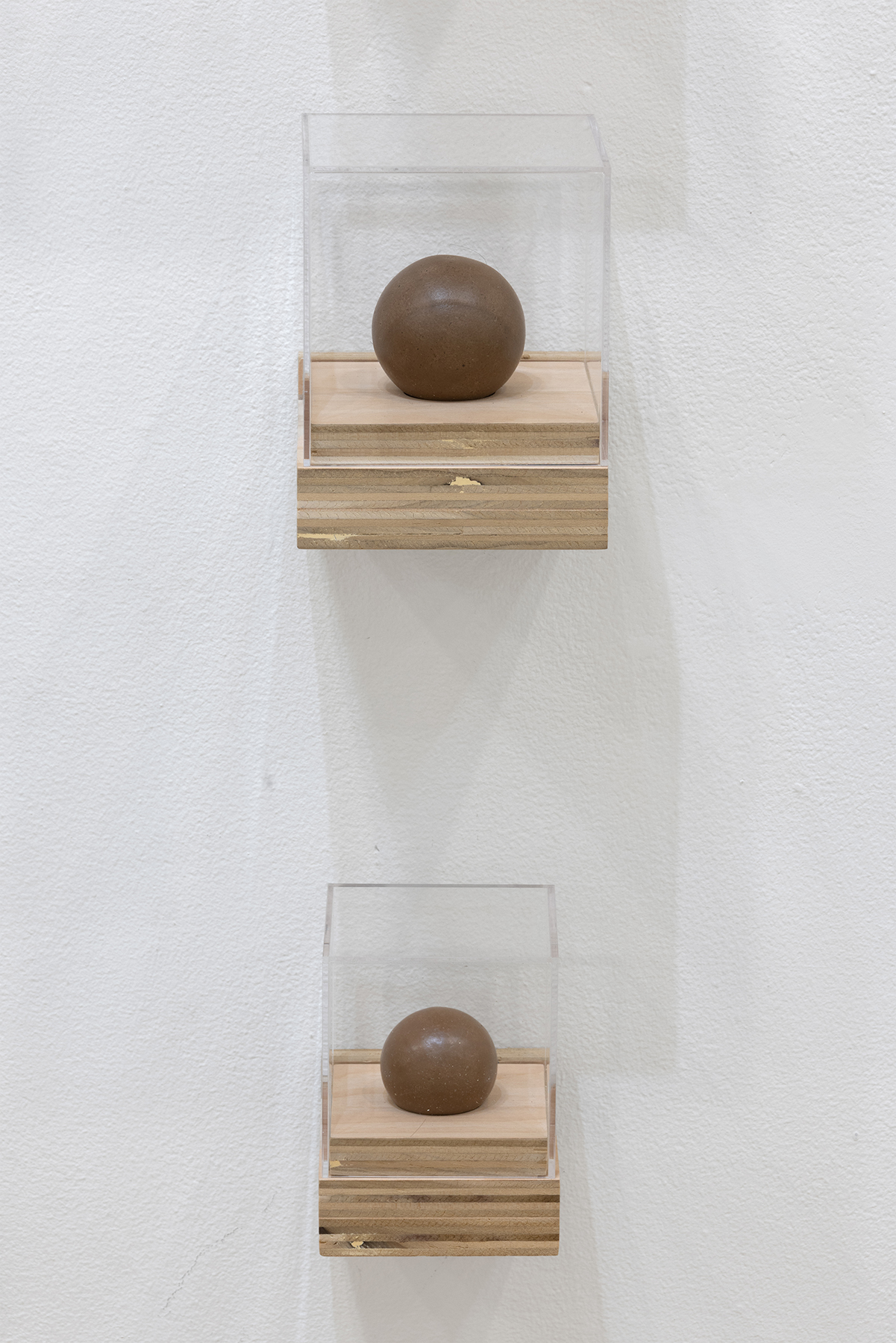
Mun harvests soil from upstate New York watersheds with high concentrations of mycorrhizal networks—the underground webs connecting plant roots with fungal hyphae that allow for the transfer of water, nutrients, carbon, and defense signals across the forest. Mun compresses the excavated earth into hand-formed spheres and then displays them on shelves built from species of trees from the sample site. Compacted through elbow grease and polished with skin oils, these shiny objects function as highly concentrated, auratically dense, embodied samples.
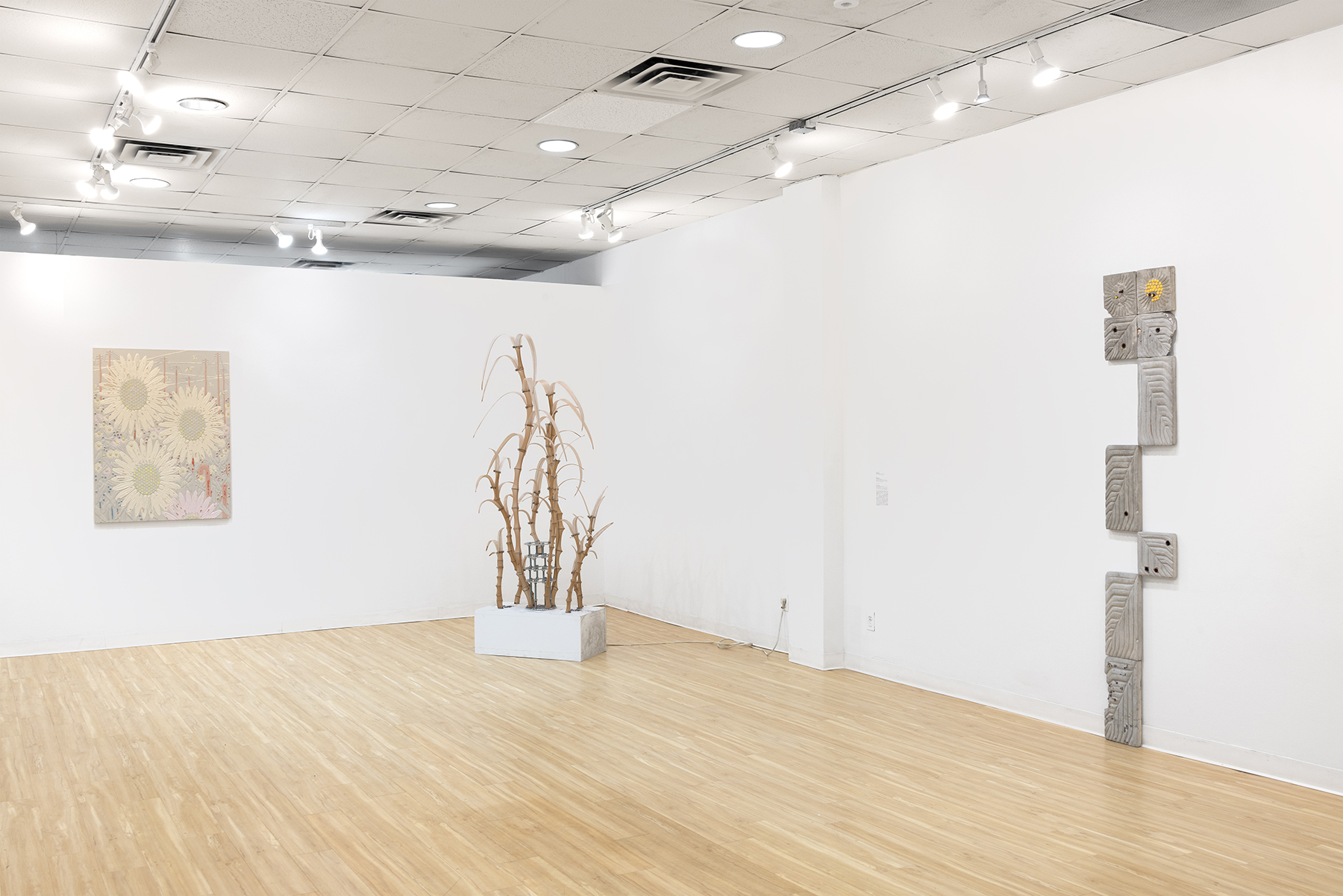
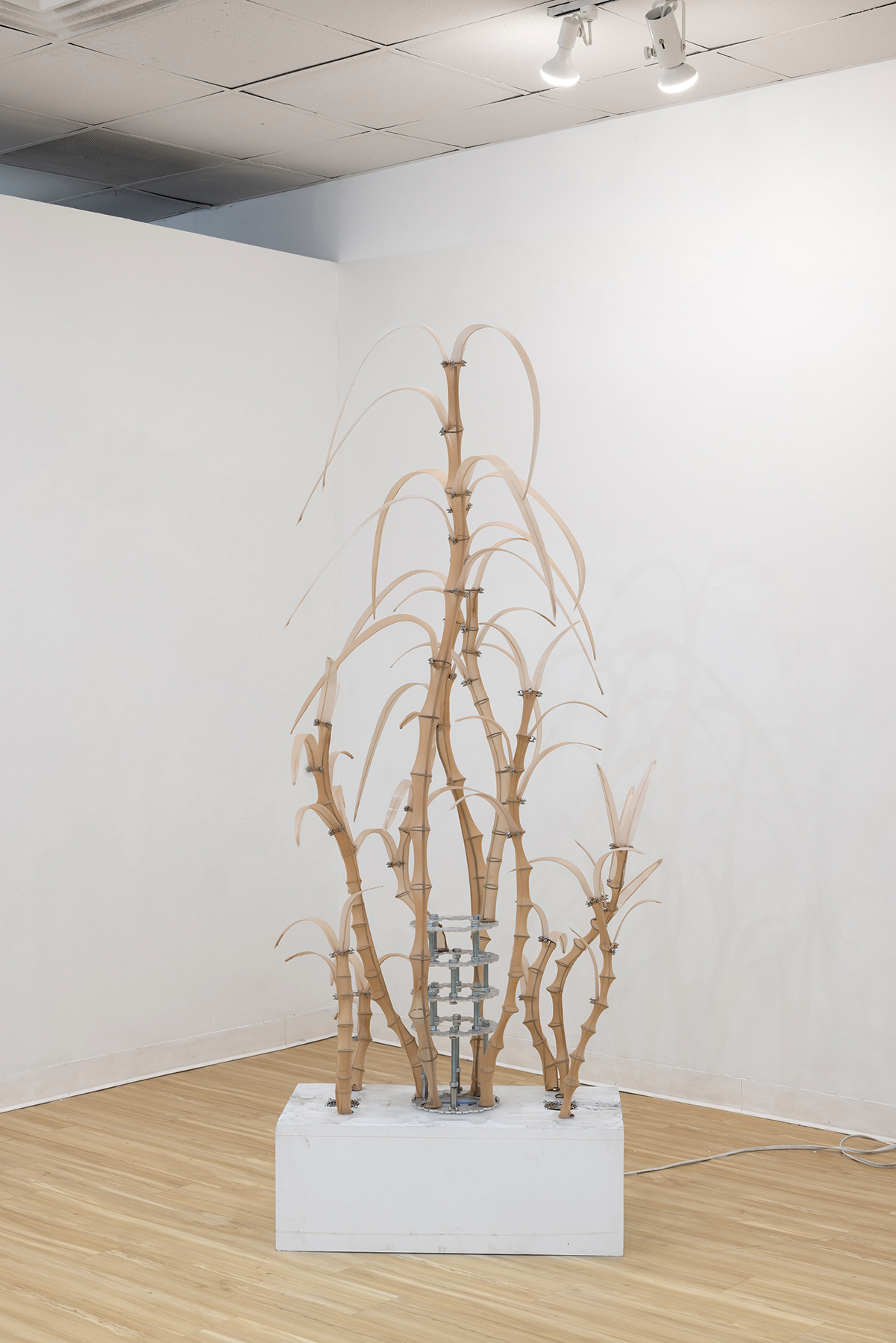
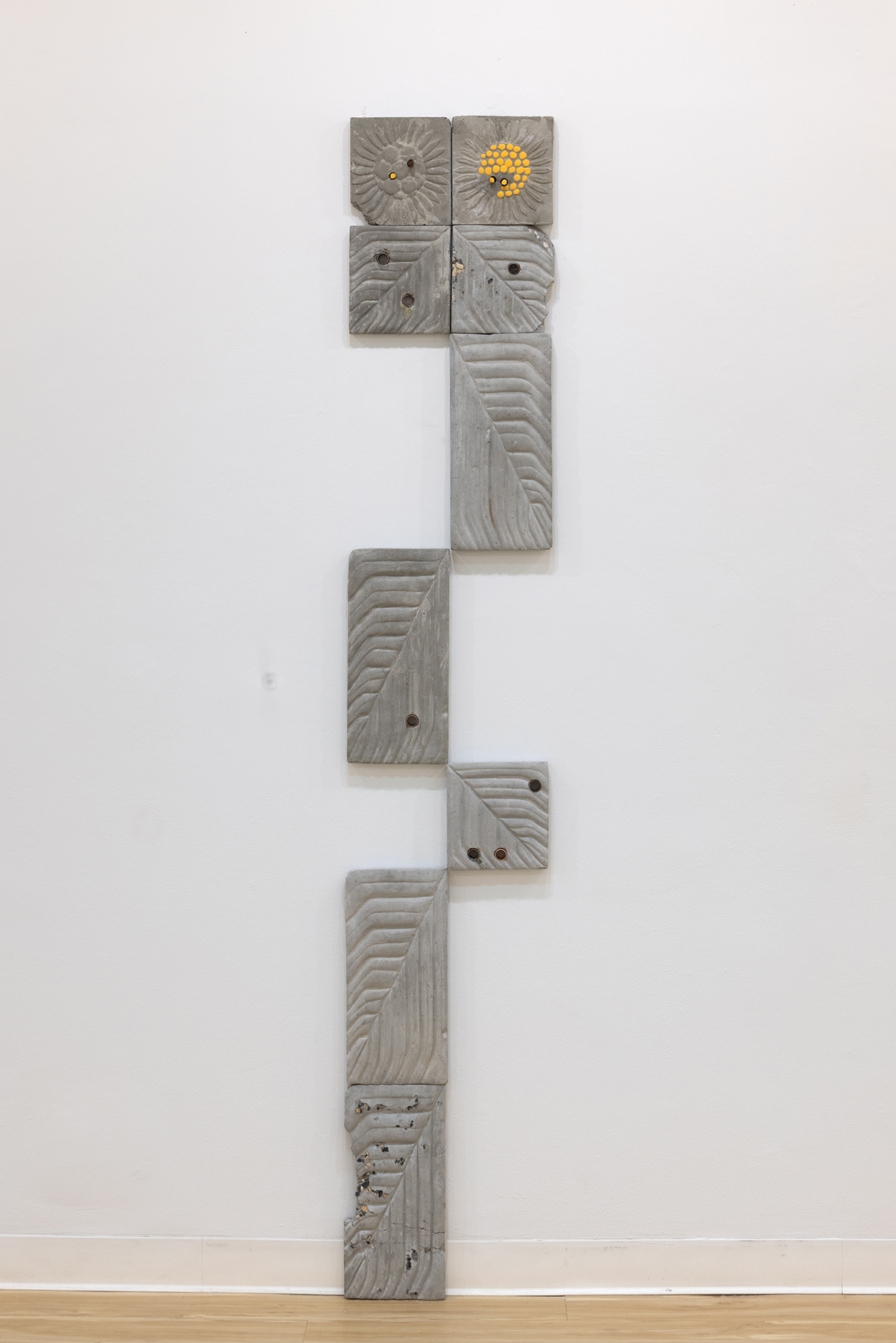
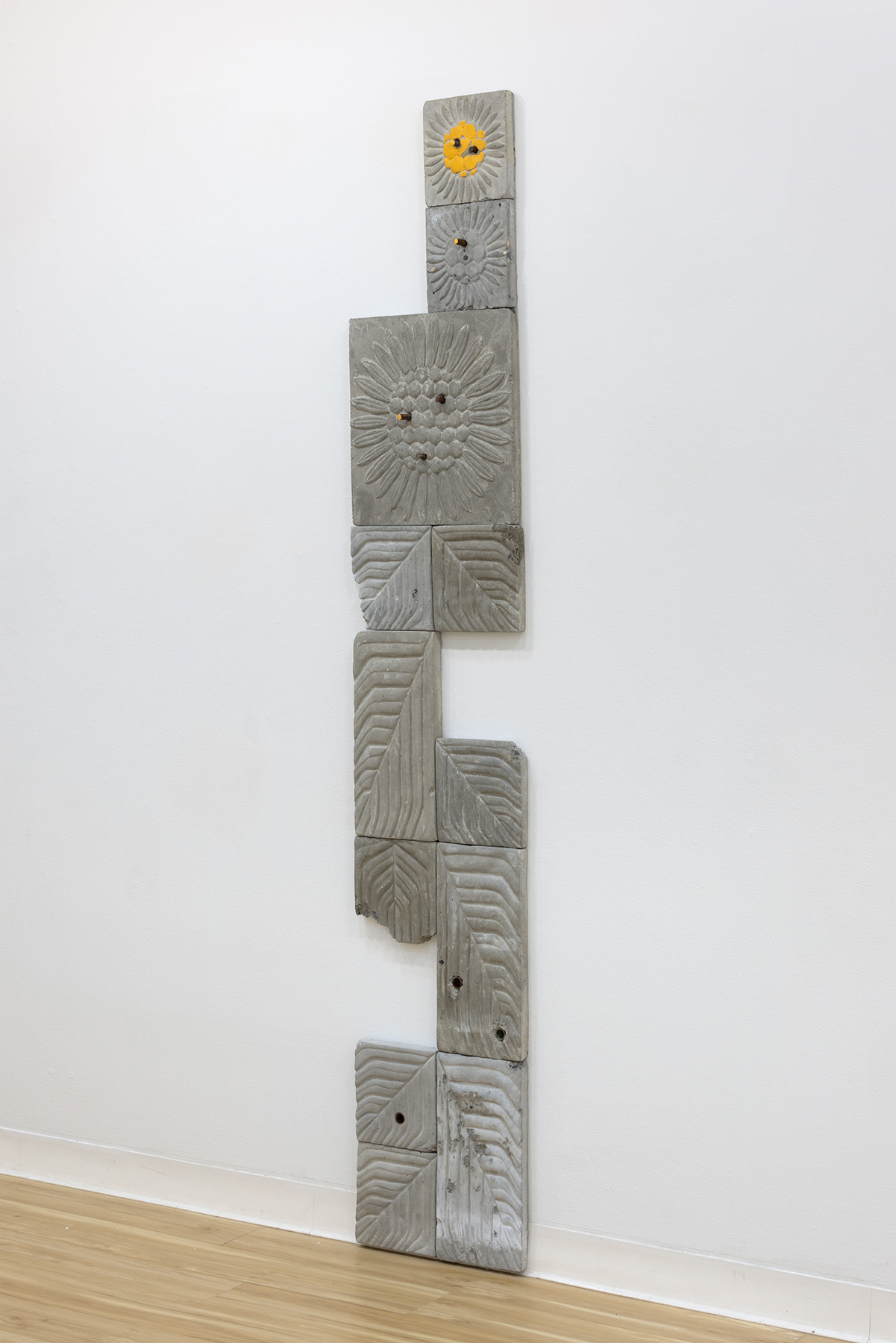
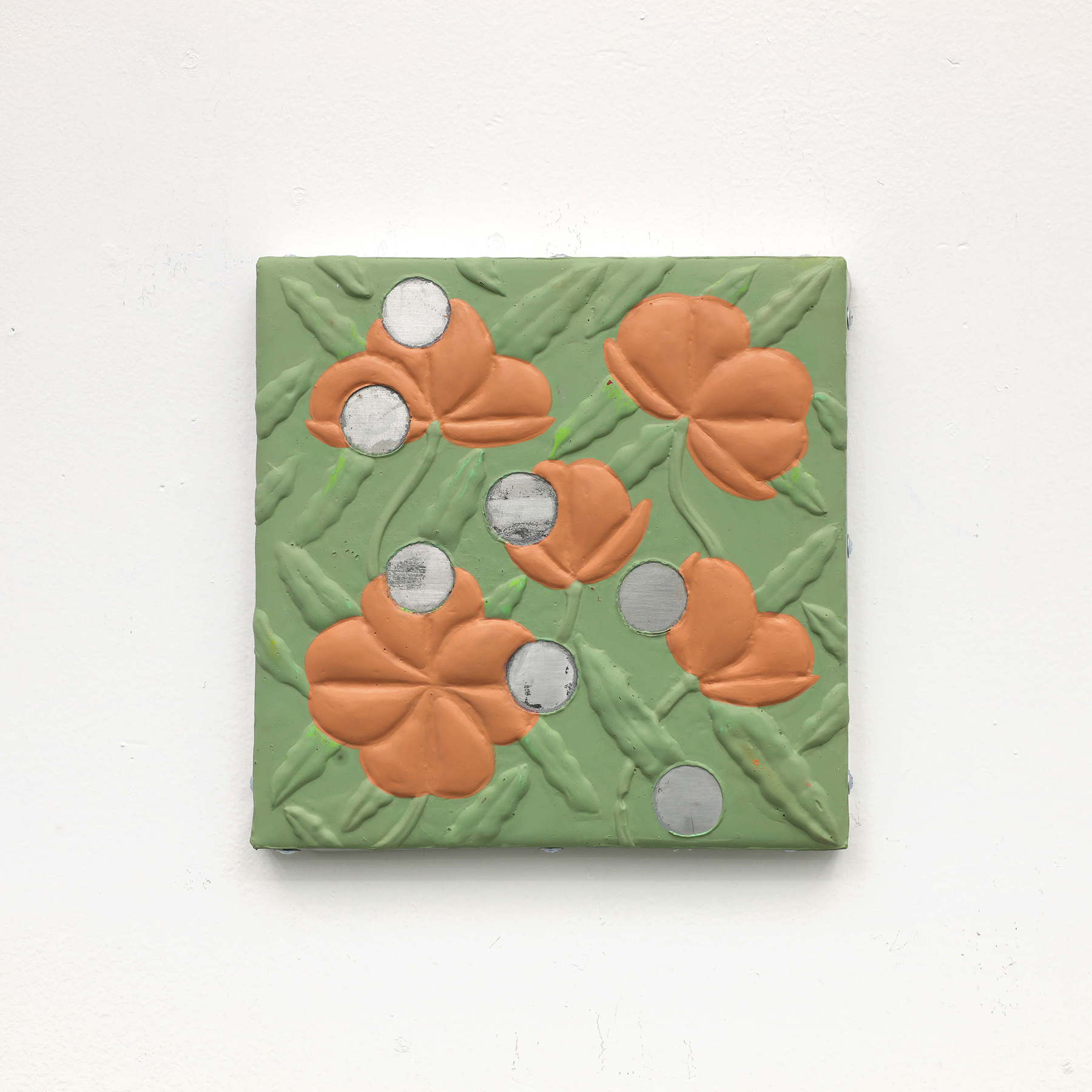
Assiff attempts to reanimate inert concrete tiles, embossed with art deco botanical designs, by smearing them with bioidentical plant-based phytoestrogen and testosterone gels, substituting human hormone therapies for plant VOCs—chemical aromas that signal to pollinators, predators and other plants—in a ham-fisted gesture of anthropomorphism. Chang reverse engineers nodes of sugarcane using welded steel and pantyhose sourced from her family’s hosiery distribution business.
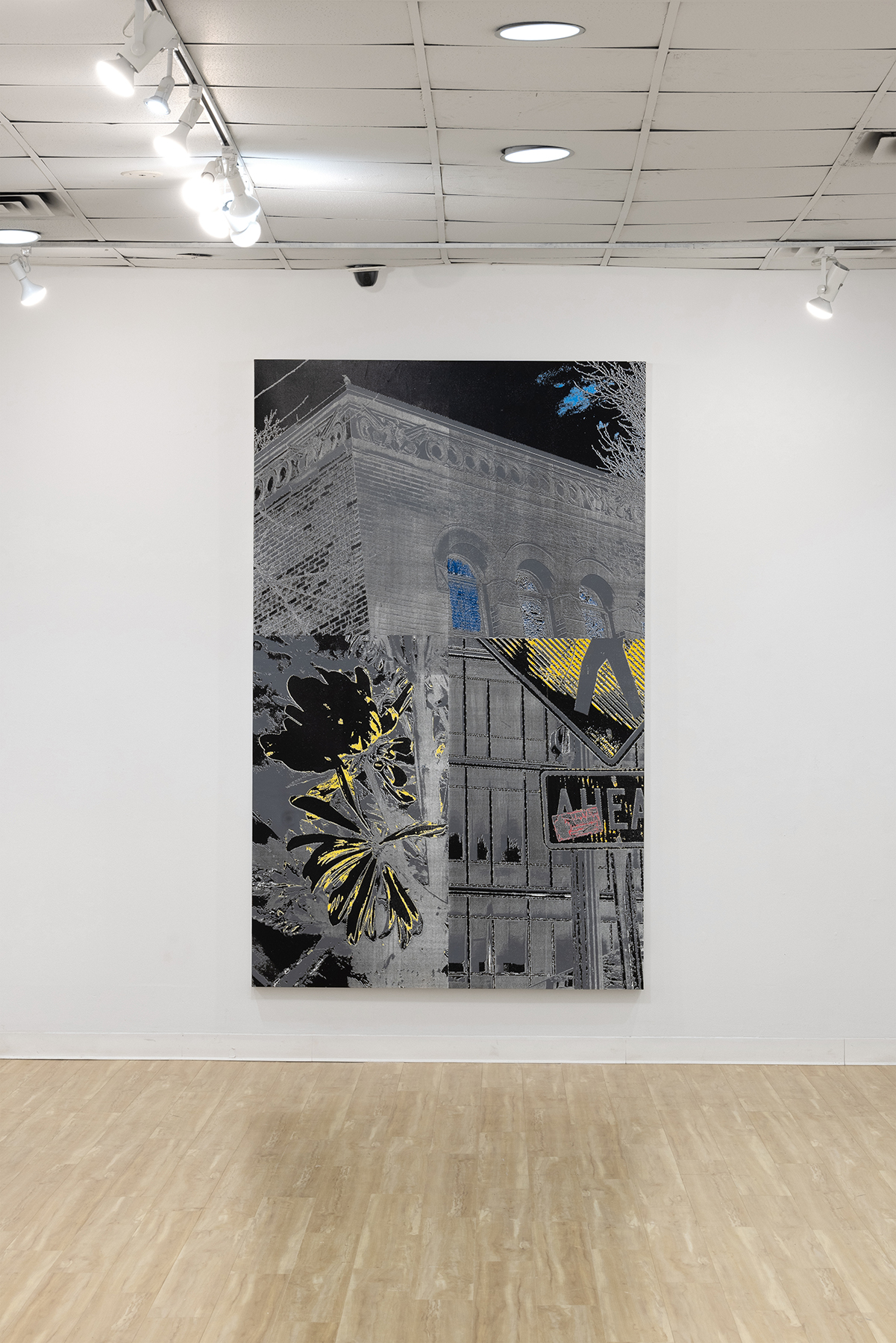
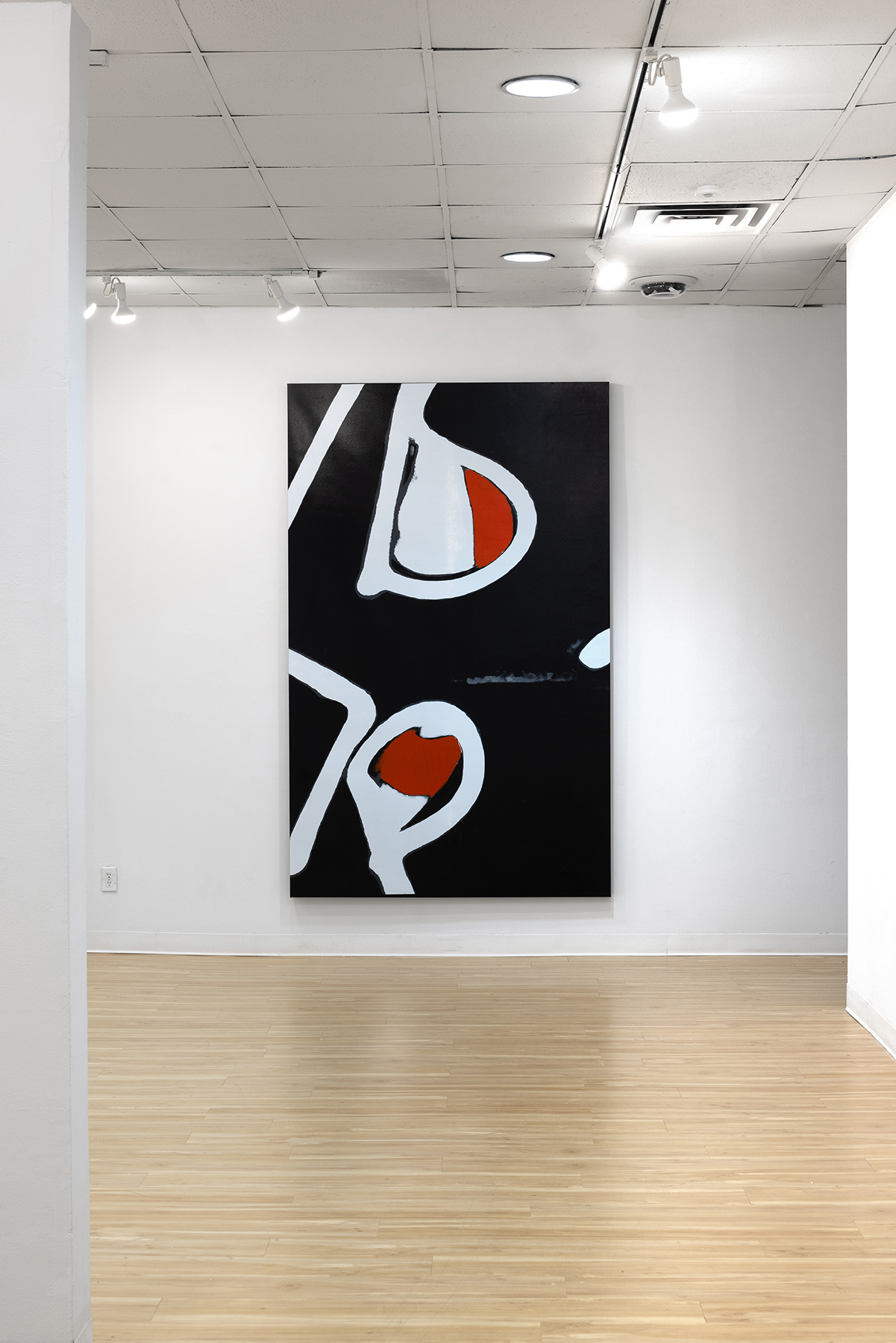
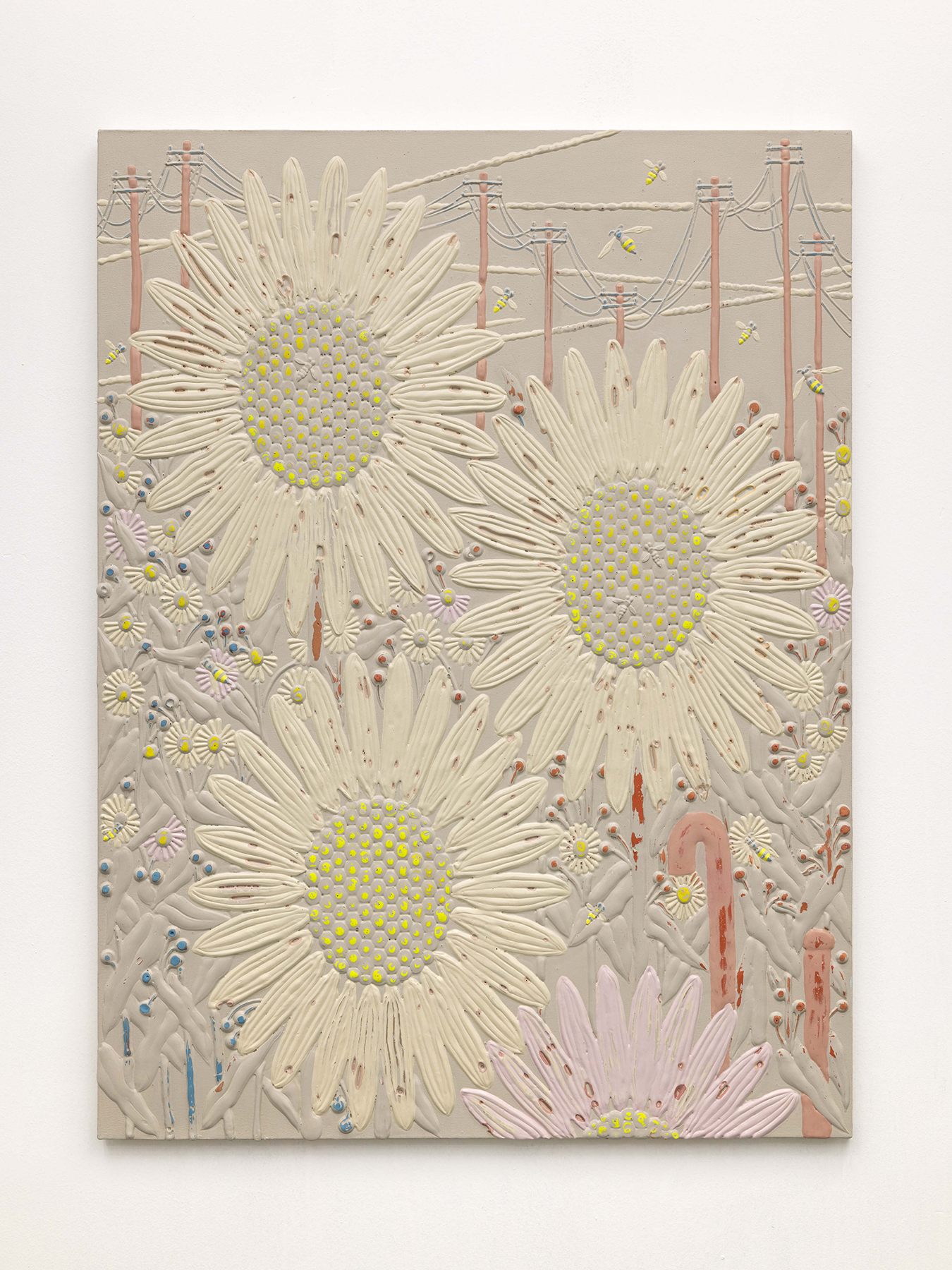
In Debugging the Earth, rendering, in the representational sense, is highly mediated. Chang engages the virtual logic of “skinning” by wrapping extruded foam forms with wallpapered imagery from hosiery product graphic design. Irving’s wall works upsample images aggregated from the internet and personal digital photography, using the magic wand of photoshop to make jagged-edge excisions that get photographically redeveloped into silkscreens; Assiff’s debossed paintings depict plant-covered infrastructure—pesticide treated turf grass, utility poles and buried pipeline—using extruded methacrylic plastic to create a vacuformed-like, polymerized surface.
Debugging the Earth asks the viewer to consider the inherent violence of inquiring into both the human-built and natural world with an engineer’s mindset: extraction, dissection and reconstitution. The exhibition surveys artists working at points of compression between deep time, industry, and the corporeal body/body politic; rendering goods and biologics in order to disturb, to reveal and to “penetrate the mist-enveloped regions” of this Earth.
–text by Michael Assiff
ARTIST BIOS
Serena Chang studied at the School of the Museum of Fine Arts, Boston and Tufts University and currently lives and works in New York. She had a solo exhibition at Island Gallery, New York, NY and been exhibited at Pioneer Works, NY; Fall River Museum of Contemporary Art, MA; Vincom Center for Contemporary Art, Hà Nội, VT; Pre-Cog Magazine; Art in General, NY; and Bonnington Center, UK. She has given talks at Parsons School of Design, Bennington College, and was a recipient of the SMFA Traveling Fellowship. She co-founded Shisanwu LLC, a materials research and production facility in Queens, NY as well as the artist/curator collective Lunch Hour.
Carly Mandel is a New York-based artist whose sculptures reflect complexities of institutions of health and illness. Mandel’s work blends traditional craft materials like ceramic, glass, metal and wood with commercial production processes and imagery. Mandel’s work has been supported by the John F. Kennedy Center, UrbanGlass, the Bemis Center for Contemporary Arts, NYFA’s Barbara and Carl Zydney Grant, and the Elizabeth Foundation for the Arts’ Robert Blackburn Printmaking Workshop. She has participated in exhibitions with CANADA, Klaus von Nichtssagend, PPOW, Someday Gallery, Fragment, Swivel Gallery, Parent Company, the Krannert Art Museum, Gallery 400 at the University of Illinois Chicago, and Tufts University Art Galleries. Her work has been featured in BOMB and Art in America.
André Magaña is an artist living and working in New York. His work considers the capacity of form and material to uncover the functional details of major structures of power. He is interested in the technical, utilitarian, and operational aspects of production as corollaries for the relationships between people and labor, access, and movement. Magaña’s work has been exhibited nationally and internationally. Recent solo presentations at The Armory Show, New York, NY, Veronica, Seattle, WA; Parent Company, Brooklyn, NY; Gallery Kendra Jayne Patrick, Bern, Switzerland; King’s Leap, New York, NY;. Recent group exhibitions at Timeshare, Los Angeles, CA; guadalajara90210, Mexico City, MX; foreign & domestic, New York, NYl; PUBLIC Gallery, London, UK; Magenta Plains, New York, NY; SculptureCenter, Queens, NY; He is represented by Gallery Kendra Jayne Patrick (Bern, Switzerland).
Michael Assiff is a painter and sculptor based in Queens, New York. He earned his BFA from the Rhode Island School of Design in 2008. He has held solo exhibitions at The Valley (Taos), Katia David Rosenthal (Miami), Ashes/Ashes (New York), Chez Valentin (Paris), Galeria Mascota (Mexico City), Shoot the Lobster (New York) and Good Weather (Little Rock). His works have been included in group exhibitions at Night Gallery, Matthew Brown, Magenta Plains, Jack Barrett, Salon 94, Arsenal Contemporary, and the Fall River Museum of Contemporary Art among many others. Assiff's work has been featured in The New York Times, Artforum, Mouse Magazine, Flash Art and dis magazine. He is the recent recipient of a 2024 NYFA/NYSCA Artist Fellowship, 2024 Dreamers in Residence grant, and 2025 NYC Dept of Cultural Affairs Queen Arts Fund grant. His work is in public collections such as collection of the Museum of Contemporary Art, Haute-Vienne, University Health, San Antonio and Cedars-Sinai, Los Angeles.
Kahlil Robert Irving lives and works in St. Louis Missouri. He attended the Sam Fox School of Design and Visual Art, Washington University, in St. Louis (MFA Fellow, 2017) and the Kansas City Art Institute (BFA, Art History and Ceramics, 2015). In December 2021 Irving opened his first museum solo exhibition - Projects: Kahlil Robert Irving at the Museum of Modern Art. Irving recently participated in Social Abstraction at Gagosian Gallery in Los Angeles and Hong Kong. He has also participated in the Singapore Biennale, Singapore; Soft Water Hard Stone; The New Museum Triennial; and Making Knowing: Craft in Art from 1950 to 2019 at the Whitney Museum of Art. Works by Irving have been included in group exhibitions at the Abrons Art Center, New York; The Anderson Collection at Stanford University, San Francisco; and Mass MOCA, North Adams. He was an Artist in Residence at Art Omi in summer 2018. Also, he was awarded the Louis Comfort Tiffany Foundation Biennial Award in 2019, the Joan Mitchell Foundation Grant in 2020, the Young Artist Prize in 2023 and the prestigious US Artist Fellowship in Visual Art for 2025. In 2023 to 2024, Irving’s work has been subject to several solo exhibitions including presentations at the Walker Art Center, Minneapolis, Minnesota; The Nerman Museum of Contemporary Art, Overland Park, Kansas; and concurrently at the Kemper Art Museum in Saint Louis, Missouri. Irving’s work is in the collections of the Ken Ferguson Teaching Collection at the Kansas City Art Institute, Kansas City, Missouri; J.P Morgan Chase Art Collection, New York, New York; the Nerman Museum of Contemporary Art, Overland Park, Kansas; the Carnegie Museum of Art, Pittsburgh, Pennsylvania; the RISD Museum, Providence, Rhode Island; the Riga Porcelain Museum, Latvia; the Foundation for Contemporary Ceramic Art, Kecskemet, Hungary; and the Museum of Modern Art, New York, New York.
Catherine Telford Keogh is a New York-based interdisciplinary artist working with sculpture, installation, and contingent materials. Her practice investigates how materials are held, crushed, preserved, and dissolved within systems of extraction and circulation, tracing how they resist and rewrite the orders imposed upon them. Sculpture functions as a way of thinking with materials across incompatible scales and disjunctive temporal registers. Selected exhibitions include Carriers (Gravity-Fed), Museum of Contemporary Art Toronto (2024); Shelf Life, Helena Anrather, New York (2023); and Nervous System, Helena Anrather, New York (2020). Group exhibitions include ILY2, New York; Public Gallery, London; Bronx Museum, New York; and Seattle Art Museum, among others. She is the inaugural recipient of the Jack Galef Visual Arts Award from the Guggenheim and a 2026 Creative Capital awardee. She is currently a Socrates Fellow and holds an MFA in Sculpture and an MAR in Women, Gender, and Sexuality Studies from Yale University.
Jan Mun is a Brooklyn-based media artist that creates social sculptures working with digital and living media. The landscape has become her framework to unfold stories about others and herself by using a combination of artistic and scientific processes that manifest in the form of interactive installations, photography, performance, and bio-art. Jan creates interfaces to elicit participation as a reflection and critique of our political and social systems. Working with communities such as Newtown Creek Alliance, BeeVillageNYC, NYC Mycological Society, and the Soil & Microbiology labs at Brooklyn College Jan innovates ideas to be realized through research, chance, and collaboration. Long-term projects include ProfileUS: Invasive Species, which examines the biopolitics of the migrations of non-native plants and people in the United States; and The Fairy Rings: Mycoremediation and Greenpoint Bioremediation Project (gBP) which explores the use of biological agents to remediate toxins in creative cleanup and collaboration with local partners and communities surrounding Newtown Creek.